Looking at waterfront homes in Lavallette and not sure which style fits your goals? You’re not alone. With oceanfront, bayfront, and island options, each home type offers a different mix of charm, resilience, and lifestyle. In this guide, you’ll learn the main styles you’ll see, the luxury features buyers value, and the key flood and permitting basics to review before you write an offer. Let’s dive in.
Lavallette waterfront styles
Classic north-end cottage
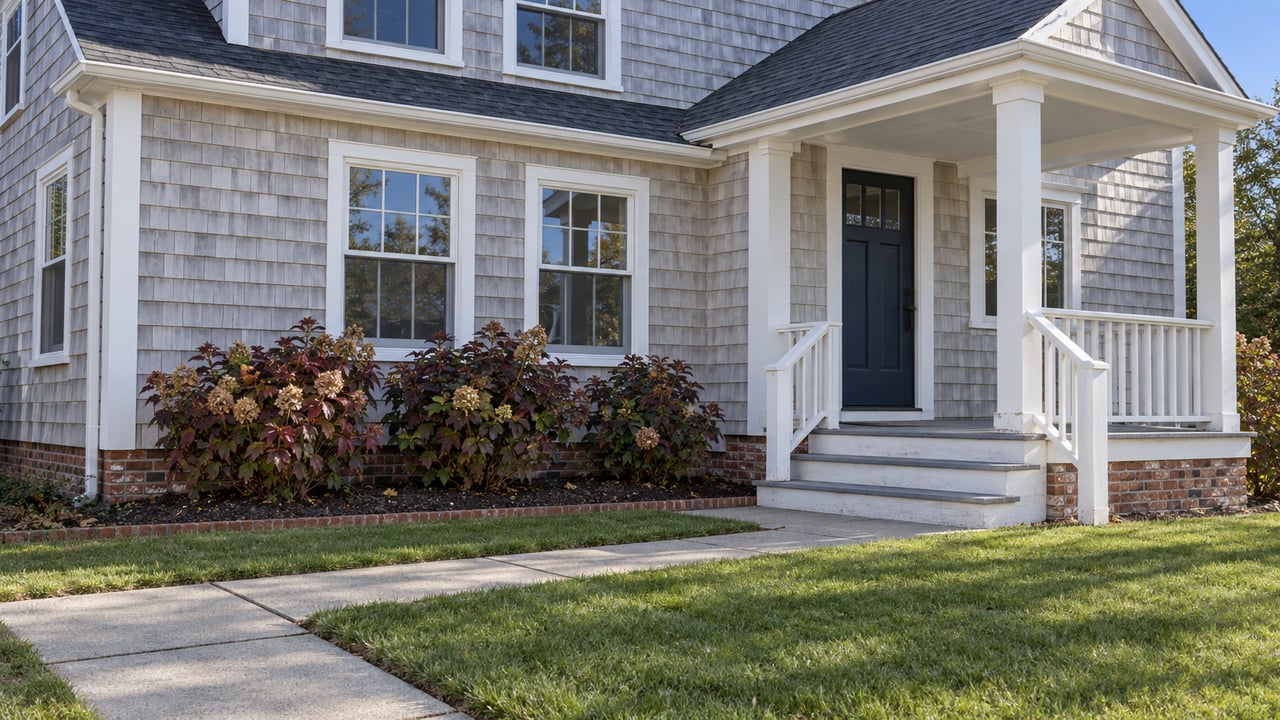
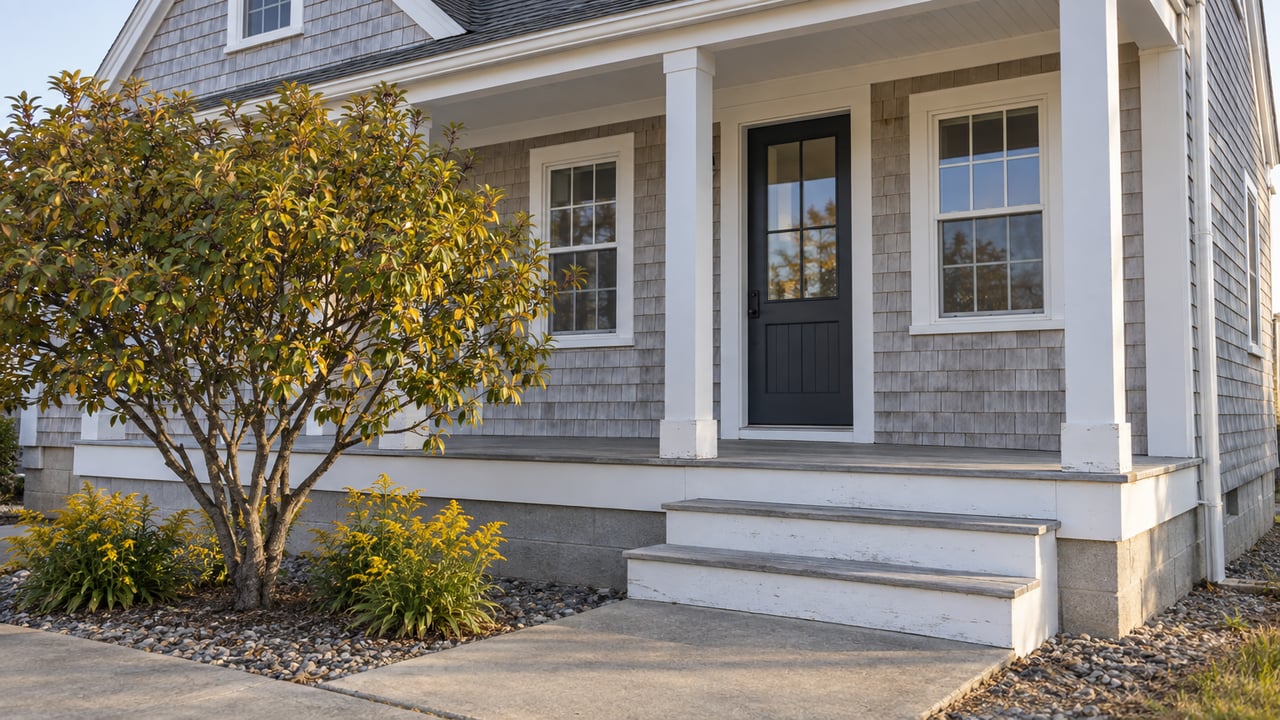
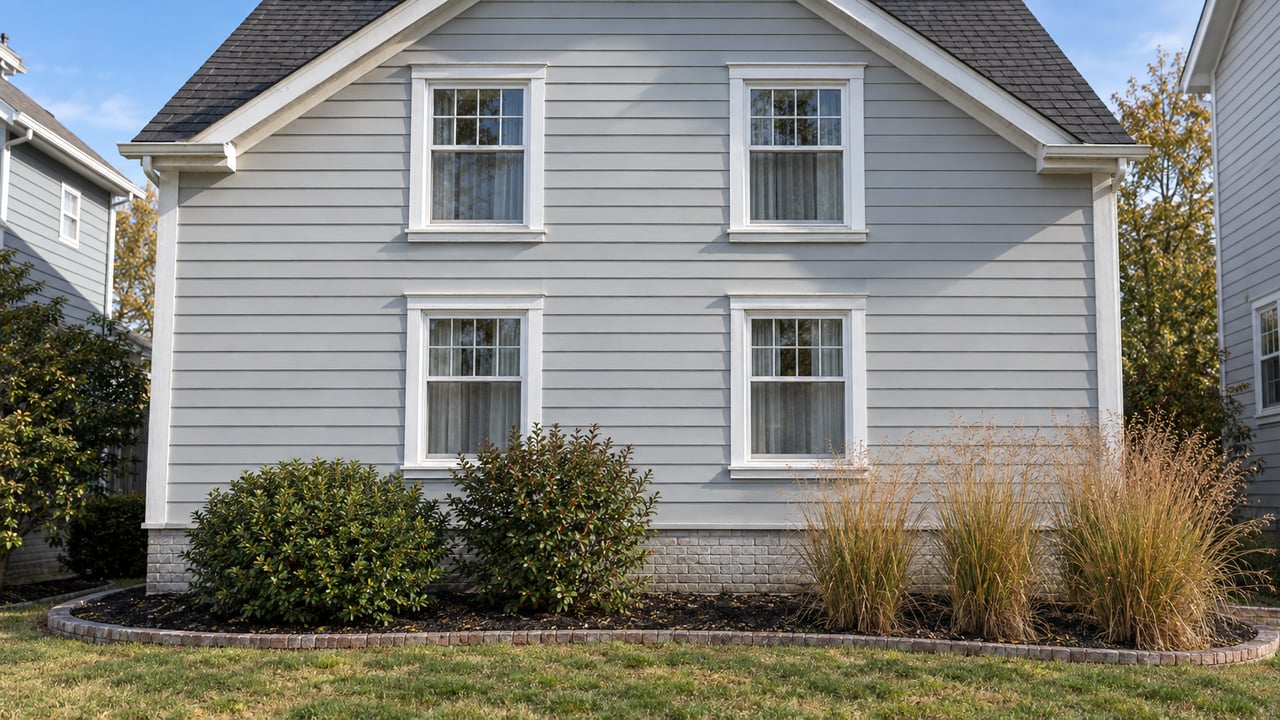
These traditional Jersey Shore cottages show up in older sections on the north side. You’ll often find wood or vinyl shingles, steep gables, and a modest footprint. Inside, rooms are compact with simple kitchens and porches or small decks. If you want authentic shore charm for seasonal or rental use, this style is a strong fit.
Raised beach house
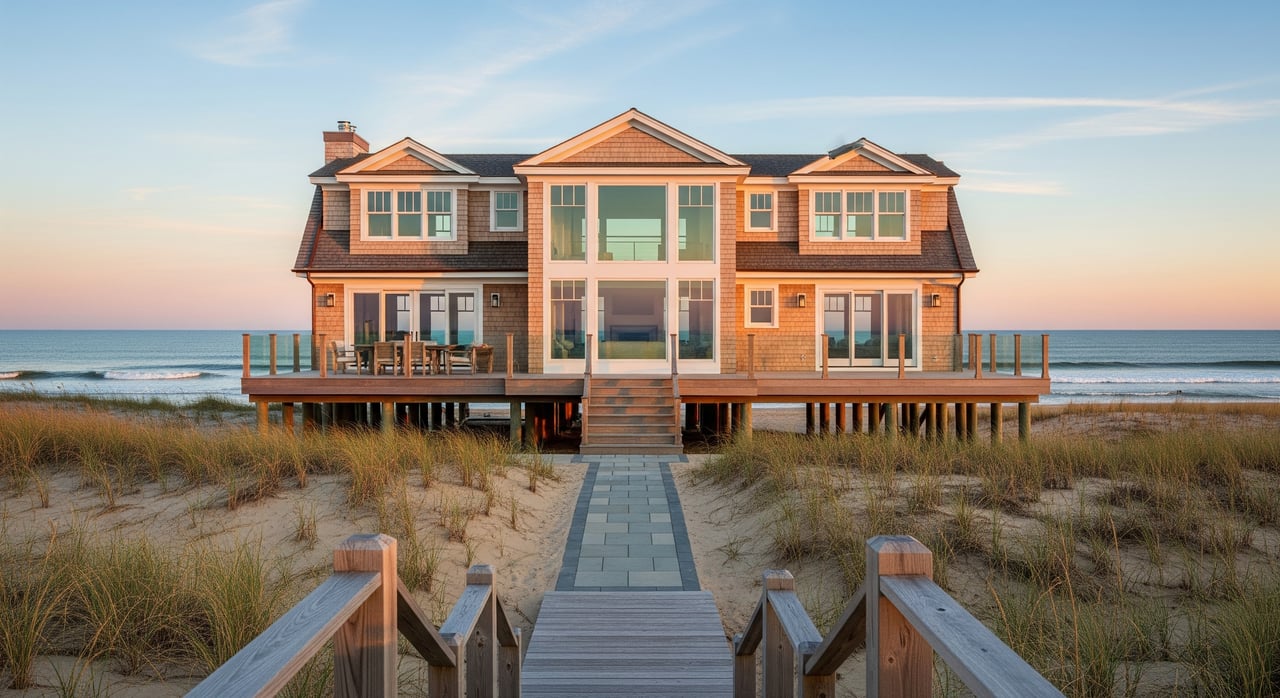
This is the most common style across oceanfront, ocean-block, bayfront, and island lots. Living levels sit above grade on pilings or raised foundations, with parking and storage below. Expect wide porches, generous decks, and long-span windows to capture views. Open floor plans, multiple suites, and bunk rooms are typical.
Bayfront estates
On West Point Island and other bay islands, you’ll see larger lots with multi-level decks facing Barnegat Bay. Many have private docks, boat lifts, and improved bulkheads for protection. These homes serve buyers who prize boating access and a more private bayfront setting. The maintenance and permitting for docks and bulkheads are important considerations.
Jersey Shore bungalow or Cape Cod
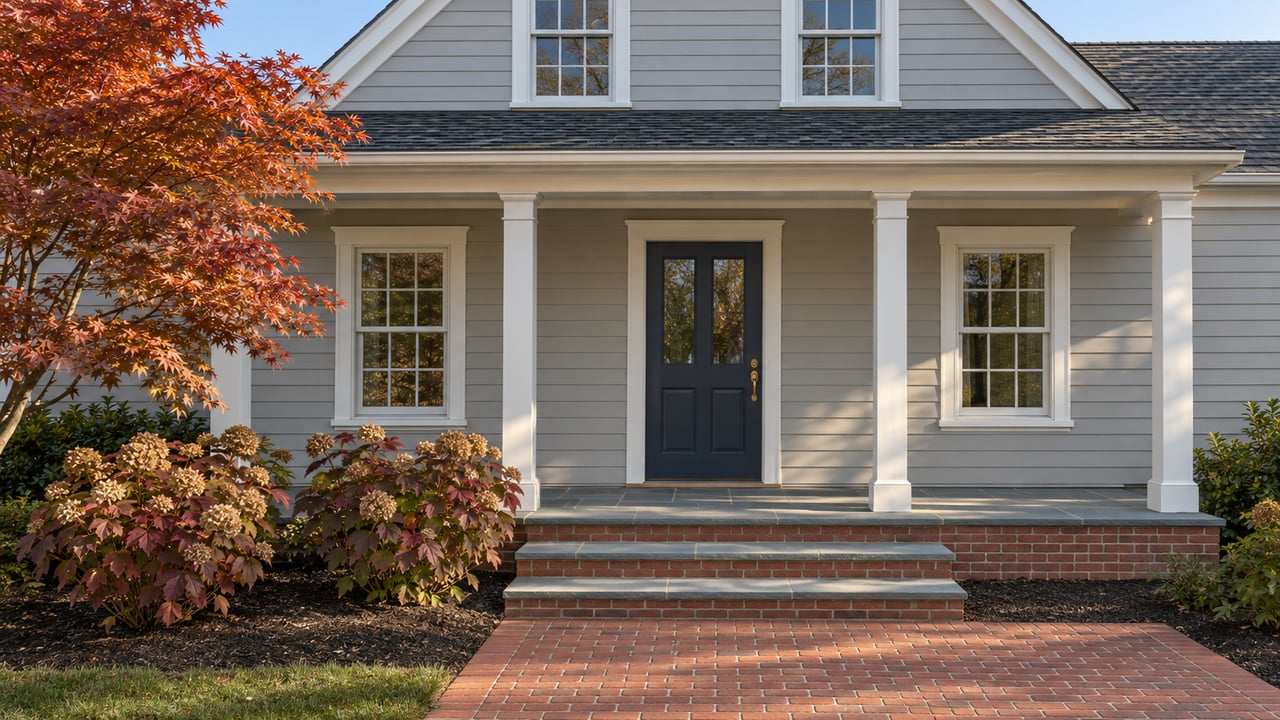
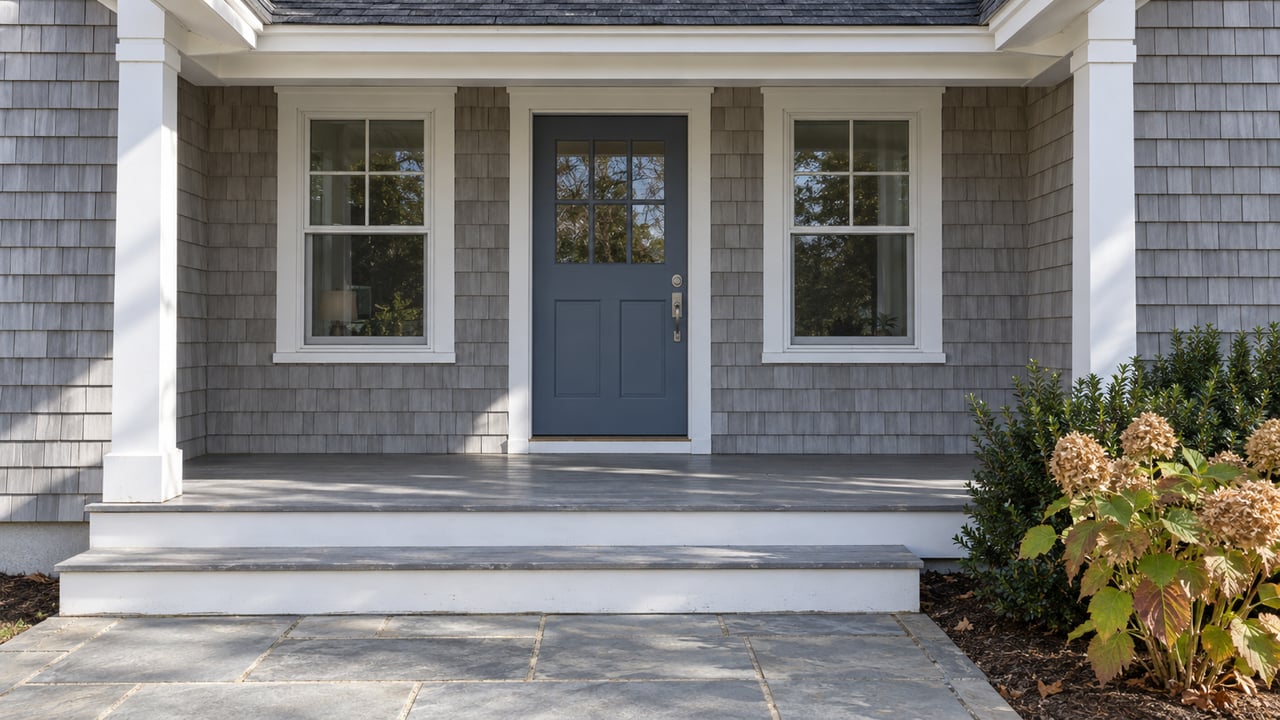
You’ll find these low-profile homes on inland and beach-block areas. They are usually one to one-and-a-half stories with dormers and simple footprints. Bedrooms on the main level and attic sleeping spaces are common. If you want a cozy, lower-maintenance seasonal home, this style delivers.
Contemporary or modern rebuild
On high-value oceanfront and prime bayfront lots, older cottages are often replaced with modern designs. These homes feature clean lines, large glass areas, and multi-level outdoor spaces. Inside, you’ll see high ceilings, luxury kitchens, and integrated mechanical systems. Many use coastal-rated materials and elevated living areas for resilience.
Duplexes and seasonal multi-units
In mixed areas, some properties are configured for seasonal rentals. These often include multiple kitchens or suites with separate entrances. This approach maximizes rental income potential. Always verify local short-term rental rules before you buy.
Luxury features buyers want
-
Wide decks and elevated porches. These spaces are your primary outdoor living rooms and help maximize views and breezes. Plan for regular deck maintenance and periodic structural checks in a salt environment.
-
Multi-level outdoor living. Rooftop or stacked decks expand usable space without enclosing more square footage. Confirm guardrail heights, safe access, and proper waterproofing.
-
Outdoor showers and rinse stations. After the beach, these are essential and popular. Check for proper drainage, privacy screening, and seasonal shutoffs to avoid freeze issues.
-
Bunk rooms and flexible guest areas. These boost sleeping capacity for visitors and can improve rental appeal. Make sure rooms meet egress and ventilation requirements.
-
Open great rooms with large glazing. Wall-to-wall windows bring in views and light. Impact-rated glass improves safety and can affect insurance, but costs more upfront.
-
Elevators or stair lifts. Multi-level living is easier with a lift, especially as you plan for long-term use. Consider installation space and ongoing service.
-
Impact windows, doors, and shutters. These can reduce wind and debris risk and may influence premiums. Some shutter types can block views when deployed, so weigh tradeoffs.
-
Private docks, lifts, and bulkheads. On bayfront and island properties, marine improvements add major value. Factor in maintenance and permitting needs with state and federal oversight.
-
Coastal-grade finishes and systems. Look for stainless or galvanized fasteners, marine-grade finishes, integrated HVAC, and humidity control. These choices support long-term performance at the shore.
Flood and elevation basics
Lavallette sits on the Barnegat Peninsula in a coastal, hurricane-exposed area. After Hurricane Sandy, expectations around elevation and structural resilience increased in shore towns. As a buyer, you should focus on flood maps, construction elevation, utilities placement, and insurance.
-
FEMA flood maps and BFEs. Flood Insurance Rate Maps determine your flood zone, such as AE or VE, and the base flood elevation. Your zone and elevation influence insurance requirements, design, and lending.
-
Elevation certificate. This verifies how high the home’s living level is relative to BFE. It is essential for accurate flood insurance estimates and confirming code compliance.
-
Elevated construction. Most shore homes keep habitable space above required elevation, including freeboard if applicable. Ground levels are typically for parking or storage and may require flood vents or breakaway walls.
-
Local and state permitting. Expect local borough enforcement of building codes and dune or shoreline rules. New Jersey’s coastal programs, including CAFRA for certain projects, may apply to waterfront work.
-
Resilient systems. Elevate HVAC, water heaters, and electrical panels above expected flood levels. Use corrosion-resistant materials and water-resistant finishes at lower levels.
-
Insurance considerations. Premiums vary by flood zone, elevation, claim history, and whether the home is a primary or secondary residence. Wind mitigation measures can influence terms and cost.
-
Inspection priorities. Check bulkheads and piers on bayfronts, foundations and pilings, roof and flashing, and deck connections. Review the elevation certificate, recent survey, and permit history for any additions, decks, docks, or finished lower spaces.
Renovation and permitting
When you plan upgrades, focus on resilience and resale. Many buyers raise or confirm living elevations during rebuilds, and upgrade to impact-rated windows, doors, and hurricane straps. On bayfronts, bulkhead and pier repairs with licensed marine contractors are often high-priority projects.
-
Smart material choices. Replace wood decking with composite or properly treated lumber. Use corrosion-resistant fasteners and hardware for longevity near salt water.
-
Systems and storage. Elevate mechanicals and add practical features like outdoor showers and beach gear storage. If installing outdoor kitchens or fire features, confirm setbacks and permits.
-
Permits and approvals. Coordinate with the borough on setbacks, lot coverage, height limits, required freeboard, and dune protection. Waterfront work can require state or federal permits, so use contractors experienced in New Jersey coastal permitting.
-
Costs and timelines. Coastal retrofits are more complex than inland projects and can take longer. Marine work, engineered seawalls, and dock improvements are significant investments.
-
Your professional team. Engage a local agent experienced in Lavallette waterfront sales, a coastal-focused home inspector, and a marine or structural engineer for bulkheads, docks, and pilings. Add a surveyor and an insurance broker familiar with coastal policies in Ocean County.
Buyer checklist
Documents to request
- Elevation certificate and the latest property survey
- FEMA flood map determination for the lot
- Building permits and certificates of occupancy for additions, decks, and docks
- Bulkhead, seawall, and dock repair records plus any engineering reports
- Photos after major storms and any insurance claim history
- Rental history and proof of local short-term rental compliance
Questions to ask
- How high is the first habitable floor relative to street level, and is there an elevation certificate?
- Where are the main mechanicals located and are they elevated?
- When was the bulkhead or pier last repaired, and were permits obtained?
- Are there any known encroachments or easements affecting the lot?
- Has the home had flood or wind damage, and what mitigation was done after?
- What are the estimated flood and wind insurance premiums?
How we help
Choosing the right Lavallette home is about more than views. It is about matching your lifestyle to the right lot, elevation, and construction details, then protecting your investment with the right inspections and permits. As a boutique brokerage with deep waterfront expertise along the Jersey Shore, we guide you through styles, features, and risk factors, and we coordinate trusted local pros from inspection to close. Ready to talk through your plan and tour properties that fit your goals? Schedule a confidential consultation with Shawn Clayton.
FAQs
What are the main Lavallette waterfront home styles?
- You’ll most often see classic cottages, raised beach houses, bayfront estates on islands like West Point Island, cozy bungalows or Capes, modern rebuilds, and some duplexes.
How do elevation certificates affect Lavallette insurance?
- The certificate shows your home’s height relative to base flood elevation, which insurers use to estimate flood premiums and lenders use to confirm coverage requirements.
Can you finish the ground level in an elevated shore home?
- Many towns restrict habitable space below base flood elevation, so ground levels are usually parking or storage; confirm local code and the property’s permit history.
What should you inspect on a bayfront bulkhead and dock?
- Review condition and age, look for movement or rot, check fasteners and tiebacks, and confirm any repair permits and engineering reports with a marine professional.
Do rooftop decks and large windows impact maintenance?
- Yes, they require regular waterproofing, hardware checks, and glass maintenance in a salt environment, and must meet guardrail and wind-load code requirements.
Are short-term rentals common in Lavallette?
- Seasonal rentals are common along the Jersey Shore, but you should verify Lavallette’s current rental licensing, occupancy limits, and tax rules before you buy.