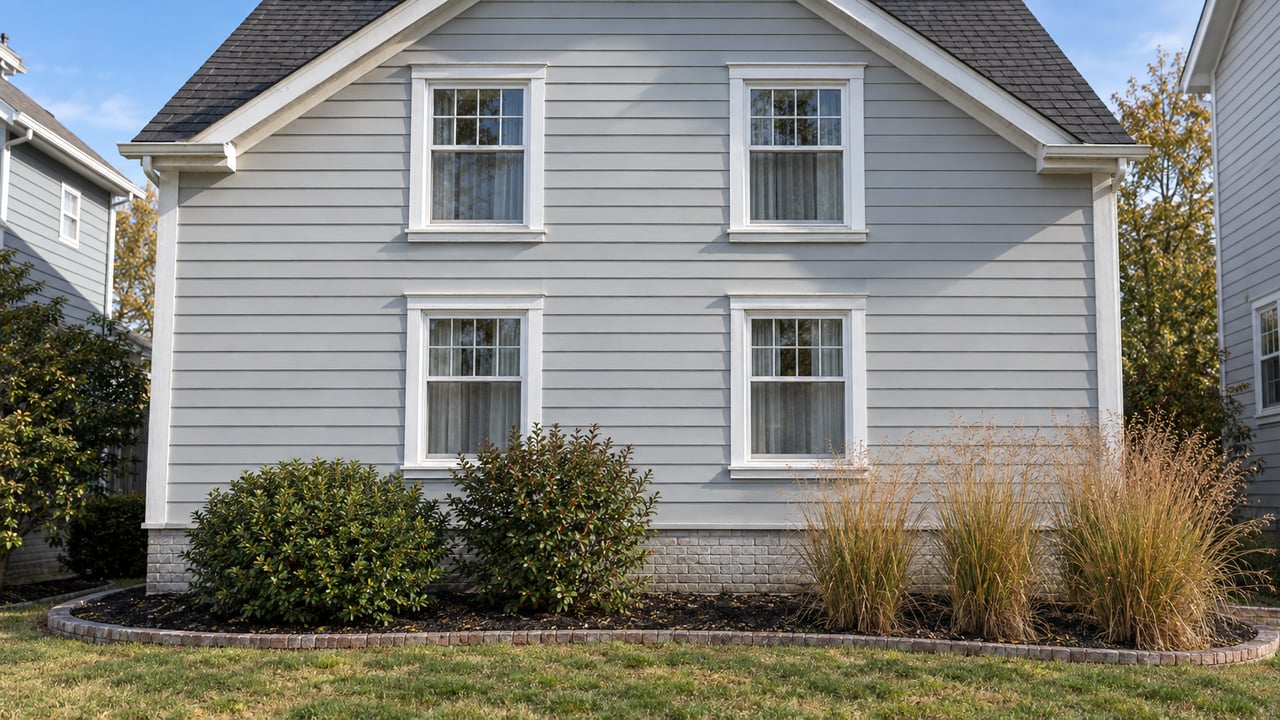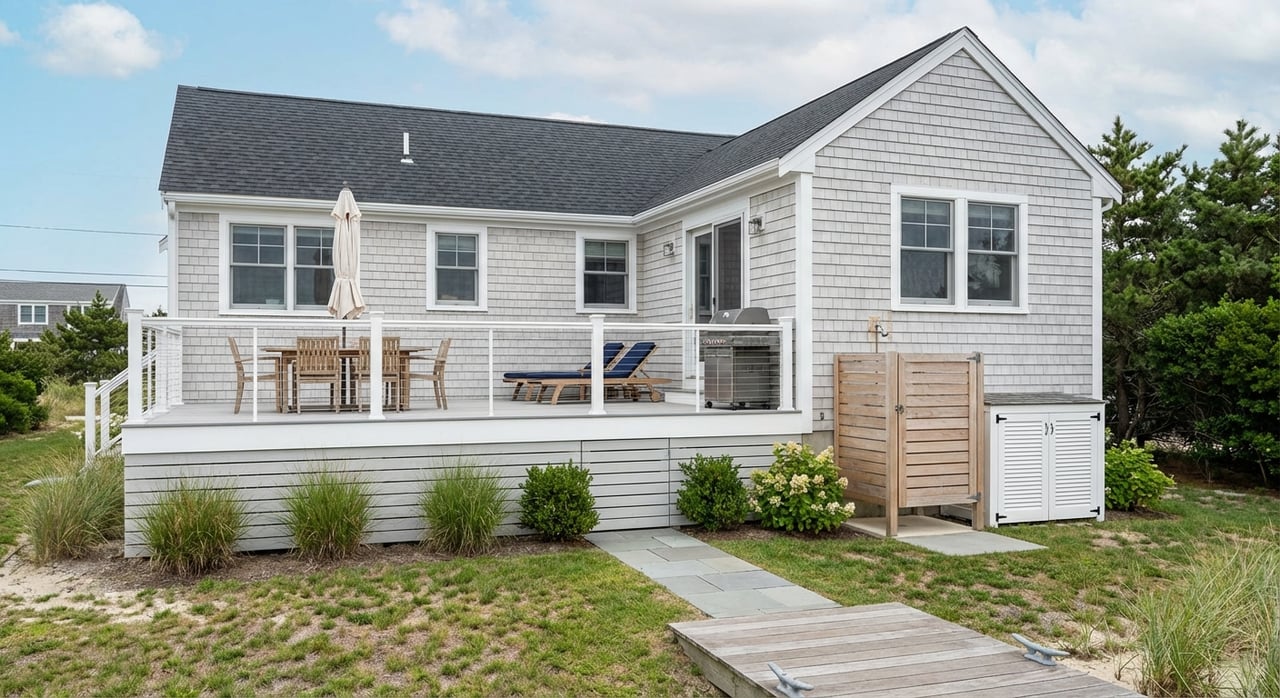
Thinking about turning your Lavallette beach house into a reliable seasonal rental? You’re not alone. With strong summer demand and family-friendly appeal, Lavallette can deliver meaningful income if you set up your home and your listing the right way. In this guide, you’ll learn how the market works, which amenities book fastest, how to price by season, and the key rules and taxes you need to follow. Let’s dive in.
Lavallette rental market at a glance
Lavallette is a classic Shore market with strong summer demand and steady weekly bookings. According to AirDNA’s MarketMinder for Lavallette, recent benchmark metrics show an average daily rate around $584, occupancy near 53 percent, and typical annual revenue per active listing of about $27,900. Use these figures as a directional check while you build your own pricing plan.
Peak season runs from late May through early September, when weekly, Saturday-to-Saturday stays dominate. July and August often command seven-night minimums. Spring and early fall can offer profitable shoulder weeks and weekends, especially for shorter stays and fishing or quick getaway trips. Your pricing and minimum-stay rules should flex with this cadence.
Local rules and taxes you must know
Borough seasonal rental rules
Lavallette regulates seasonal rentals under its municipal code. Chapter 51: Seasonal Rentals defines seasonal rentals and gives the Borough tools to act on repeat nuisance properties. Three substantiated disorderly conduct complaints can trigger remedies, including bond posting requirements. Build clear house rules, screen guests, and provide a 24/7 local contact to stay ahead of issues.
Noise and disclosure obligations
Lavallette’s noise ordinance requires attention to quiet hours and disclosure rules. The noise chapter calls for transparency if sound levels exceed permitted limits. Your listing and rental agreement should include quiet hours, maximum occupancy, and no-party language. Set expectations early to protect your standing with neighbors and the Borough.
Beach badges and guest logistics
Beach access in season requires badges. Share how and where to purchase them in your arrival materials, or supply badges if appropriate. The Borough publishes badge prices and details on its site. Point guests to the Lavallette beach badge information. Also describe parking clearly, including any sticker requirements for bay-front lots in season.
New Jersey taxes and registration
Short-term “transient accommodations” may be subject to New Jersey sales tax and the state occupancy fee, depending on how bookings are handled. The New Jersey Division of Taxation explains when rentals qualify, when marketplaces collect and remit, and when owners must register and file. Review the state’s guidance on transient accommodations, exemptions, and registration to confirm your exact obligations. Keep clean records for each booking channel and note which taxes were collected by a platform vs. what you must remit yourself.
Design your home to fit demand
Layouts that work for families
Lavallette serves family and multigenerational groups. Homes that sleep 6 to 10 guests in 3 or more bedrooms perform best. Prioritize multiple full bathrooms and an open main living-kitchen area. If possible, include a ground-level bath or outdoor rinse access for quick beach clean-up. Offer flexible sleeping plans such as queen beds, bunks with trundles, and one high-quality pull-out.
Must-have amenities at the Shore
Guests value comfort, convenience, and easy beach days. Industry guidance points to reliable high-speed Wi-Fi, central A/C, a full kitchen, washer/dryer, and multiple streaming-ready TVs as foundational. For beach use, outdoor showers, sand-resistant entry flooring, and a storage spot for wet gear help your reviews and repeat bookings. See the industry’s perspective on top vacation rental amenities for more ideas.
Consider extras that can lift your average daily rate without overcomplicating maintenance. These include an upgraded kitchen, premium outdoor seating, a shaded deck, or a hot tub. Balance installation, ongoing care, and insurance considerations with the revenue bump you expect.
House rules and guest information
Set expectations before check-in. Your listing and rental agreement should spell out maximum occupancy, quiet hours, no-party clauses, badge and parking steps, and emergency contacts. In the home, provide a concise house manual that covers beach access, lifeguard hours, trash days, basic troubleshooting, and the nearest urgent care. Clear, repeatable instructions reduce calls and limit risk.
Pricing and booking strategy
Set minimums and weekly blocks
Use weekly, Saturday-to-Saturday stays for July and August. In May, June, and September, allow shorter minimums midweek or for weekends to capture flexible travelers. This mix helps you protect peak weeks while maximizing shoulder-season occupancy.
Price holidays and events at a premium. Memorial Day, July 4, and Labor Day often support higher ADRs. Clean, predictable fee structures also help conversion. Some owners roll cleaning into the rate for simplicity; others show it as a line item. Test what works best for your audience and channel.
Use dynamic pricing tools
Dynamic pricing tools can help you react to local demand, comp sets, and seasonality. They adjust rates daily and can account for events or pace trends. Explore options highlighted in this overview of vacation rental dynamic pricing tools. Tune settings for Lavallette norms such as weekly blocks and preferred check-in days.
Fees, management, and your time
Cleaning fees vary by size and laundry volume at beach homes. Management costs also vary by service level. Full-service short-term rental managers often charge about 15 to 25 percent of gross rental revenue, reflecting marketing, dynamic pricing, guest support, and maintenance coordination. See a breakdown of common Airbnb management fee ranges to compare options. If you self-manage, budget time for pricing, inquiries, issues, turnovers, and vendor scheduling.
Operations that protect your asset
Insurance and risk management
Do not rely only on platform guarantees. Work with an insurance professional to secure the right landlord or commercial short-term rental policy. Confirm liability coverage and specific short-term rental use. For coastal properties, flood is a separate policy. Learn why specialized protection matters from this overview of short-term rental insurance considerations.
Flood readiness and coastal materials
Lavallette participates in the National Flood Insurance Program’s Community Rating System, which can help reduce NFIP premiums. Review the Borough’s flood and stormwater resources and consider elevation certificates, base flood elevation requirements, and coastal-grade materials. Practical upgrades include stainless exterior hardware, composite decking, elevated mechanicals, and a storm plan for shutters, furniture, and outdoor gear.
Screening, deposits, and documentation
Use verified guest ID, a clear rental agreement, and a refundable security deposit or approved damage protection. Chapter 51’s enforcement mechanism for repeat complaints makes screening and on-site behavior controls especially important. Keep communications and incident notes organized in case the Borough requests information.
Professional management and local vendors
A strong local manager can lift revenue and cut personal workload by handling dynamic pricing, professional photos, listing optimization, 24/7 guest response, and local compliance. They also maintain vendor relationships for fast repairs and consistent cleaning. If you prefer a hands-on approach, build your own roster: a primary cleaner with a backup crew, a handyman, HVAC and appliance pros, and a linen service if you do not supply sheets and towels.
Quick owner checklists
Amenity checklist
- Reliable high-speed Wi-Fi and central A/C
- Well-equipped kitchen and large-capacity washer/dryer
- Outdoor rinse shower and sand-friendly entry flooring
- Two or more full bathrooms where possible
- Multiple TVs with streaming and clear instructions
- Beach kit: chairs, umbrella, wagon or cart, and cooler
- Off-street parking details and a simple check-in guide
Operations checklist
- Clear house rules, quiet hours, and max occupancy
- Badge and parking instructions in your arrival email and house manual
- 24/7 local contact for guest issues and emergencies
- Cleaning crew with a backup plan and a quality checklist
- Insurance review for STR use and separate flood policy if needed
- Photo-driven listing on each channel with tidy calendar control
- Dynamic pricing tool or a tested manual pricing calendar by week
Bringing it all together
Success in Lavallette comes from matching your home to how families want to vacation, pricing to the calendar, and staying ahead of local requirements. Equip your home with the amenities guests expect, communicate rules clearly, and protect your asset with the right insurance and maintenance plan. With a thoughtful setup, your beach home can earn well in season and welcome happy repeat guests.
If you want a tailored plan for your property, including pricing, marketing, and seasonal management, schedule a confidential consultation with Shawn Clayton. Our family team has helped owners across the Jersey Shore turn beautiful coastal homes into dependable seasonal assets.
FAQs
What is the peak rental season in Lavallette?
- Late May through early September is the primary demand window, with weekly summer stays common and seven-night minimums typical in July and August.
What permits or local rules apply to seasonal rentals in Lavallette?
- Lavallette regulates seasonal rentals under Chapter 51; repeat substantiated complaints can lead to remedies like bond posting, so clear rules and guest screening are important.
Do I need to collect and remit New Jersey taxes on short stays?
- It depends on how you take bookings; review state guidance to see when marketplaces remit for you and when you must register and file as the owner.
Which amenities most improve booking rates for Shore homes?
- High-speed Wi-Fi, central A/C, a washer/dryer, outdoor shower, well-equipped kitchen, multiple TVs, and a simple beach kit are top drivers for family bookings.
How should I price summer vs. shoulder season weeks?
- Use weekly blocks and higher ADRs for peak weeks; relax minimum stays and adjust rates with a dynamic pricing tool for weekdays and shoulder periods.
What insurance should I have for a Lavallette rental?
- A policy that allows short-term rental use plus separate flood insurance is recommended; do not rely solely on platform guarantees.
How much do full-service STR managers typically charge?
- Many full-service managers charge about 15 to 25 percent of gross rental revenue, reflecting marketing, guest service, and operations coverage.