Pricing a Mantoloking waterfront home can feel complex, especially when every view line, dock, and dune plays a role. You want to set a number that attracts serious buyers without leaving money on the table. This guide breaks down what drives value on the island, how brokers build comps, and the steps you can control to list with confidence. Let’s dive in.
Mantoloking value drivers
Oceanfront vs bayfront
In Mantoloking, oceanfront and bayfront are different market classes. Oceanfront homes in Mantoloking offer direct, unobstructed views, private beach access, and a coveted shore lifestyle. They also face stronger wind and surge exposure, which can raise insurance and mitigation costs.
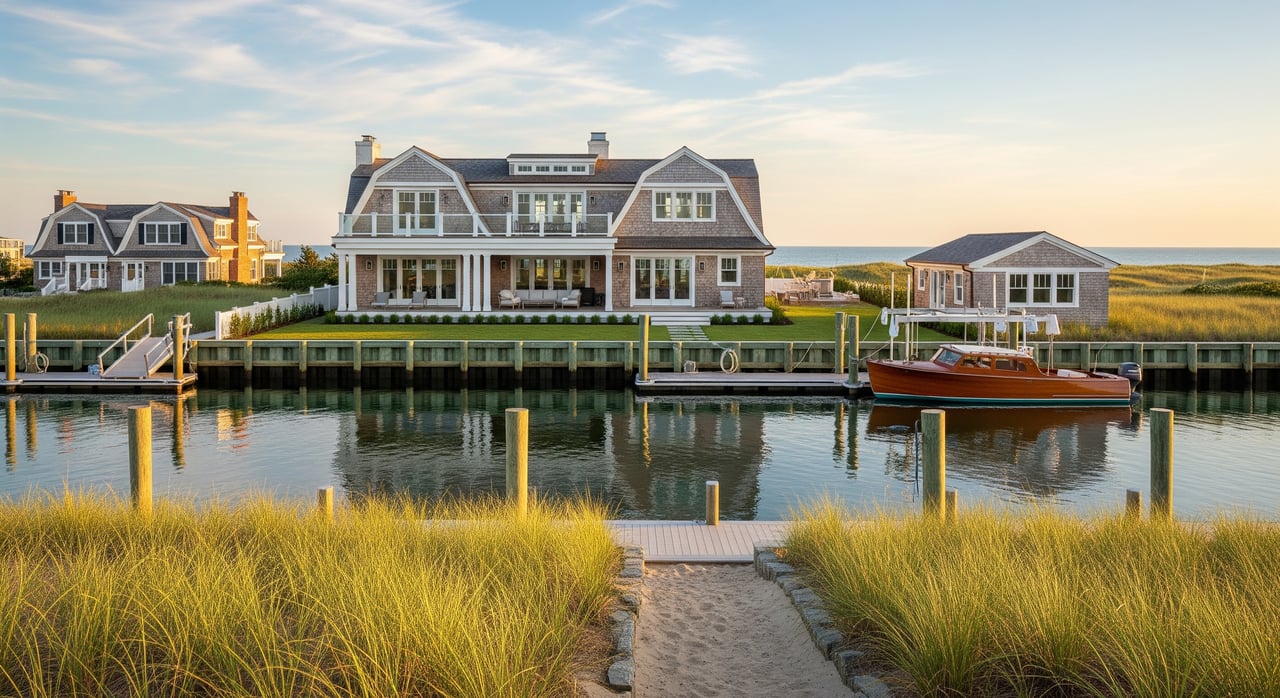
Bayfront homes offer calmer water, boat-ready access, and open bay vistas. Deepwater dockage and well-engineered bulkheads can command major premiums for buyers who prioritize boating over beach access. Because these classes trade on different benefits, comps should stay within the same class whenever possible.
Lot size and frontage
Water frontage measured in linear feet is a core value metric. More frontage often means better dock placement, wider view corridors, and a higher overall price. Lot area also matters. Larger lots allow bigger footprints, more storage or garage space, and better outdoor living. Orientation can influence light and sightlines, especially morning sun to the east or open southern exposure.
Elevation and flood risk
Elevation relative to Base Flood Elevation (BFE) is critical on a barrier island. Homes above BFE may see lower flood insurance costs and smoother underwriting. Properties in FEMA VE zones carry higher coastal risk compared to AE zones. Buyers look for documentation such as an up-to-date elevation certificate and evidence of post‑Sandy resiliency work. Clear proof of elevation and freeboard can improve buyer confidence and value.
Dockage and access
For Mantoloking bayfront and lagoon properties, dock features are make-or-break. A private deep‑water dock with a lift will appeal to a higher‑paying boating buyer than a small fixed dock. Bulkhead condition matters too. A new or engineered bulkhead reduces uncertainty and future costs. Buyers and their lenders pay attention to tidal depth, navigation to the bay and ocean, and whether the dock and bulkhead work were properly permitted.
Condition and design
Newer coastal builds with open floor plans, big window walls, and elevated systems tend to command a premium. So do high‑end kitchens and baths, generous bedroom counts, and functional storage for beach and boating gear. Well‑maintained historic or older homes can perform well if they balance character with sound structure and updated systems. If major rehab or elevation is needed, buyers will price that risk in.
Rules and permitting
Shoreline regulations, riparian rights, and the location of property lines relative to the mean high‑water line can affect what you can build or rebuild. Local codes for height, coverage, and setbacks, plus dune and coastal rules, can shape expansion plans. If you expect a buyer to rely on rental income, confirm local ordinances before marketing the property as an investment.
Insurance and financing
Flood and wind coverage are central to cost of ownership at the Shore. Premiums, deductibles, and lender requirements can affect demand and pricing. Older homes with unresolved resilience issues may see more appraisal or underwriting friction. Buyers are considering not just today’s premium but future insurance trends when they write offers.
How brokers price homes
Define the market class
The first step is to classify the property: oceanfront, ocean‑adjacent, bayfront, bay‑adjacent (canal or lagoon), or non‑waterfront. Because oceanfront and bayfront trade on different lifestyle benefits, brokers try to keep comps within the same class.
Select tight comps
Brokers gather closed, pending, and active listings from the local MLS and nearby barrier‑island neighborhoods. The best comps mirror your property’s waterfront type, frontage, lot size, elevation, condition, and interior square footage. In Mantoloking, inventory is limited, so the most similar few sales often carry outsized weight.
Metrics and adjustments
Common anchors include:
- Price per waterfront linear foot for true waterfront lots.
- Price per finished square foot, adjusted for elevation and condition.
- Whole‑property comps with dollar adjustments for items like dock type, bulkhead condition, bedrooms, garage, and updated systems.
Adjustments focus on the big levers first. Orientation and class (oceanfront vs bayfront) get large adjustments. Elevation above BFE, documented freeboard, and high‑quality dockage and lifts add value. Dated interiors or failing bulkheads reduce value. Brokers also account for timing, since spring and early summer often bring stronger buyer activity at the Shore.
Thin‑market tactics
When sales are scarce, brokers may cautiously expand to very similar barrier‑island areas and then apply stronger location adjustments. They triangulate across price‑per‑foot trends, the few most relevant closed sales, and well‑positioned active listings, all filtered through local experience.
Pricing strategy
Most brokers present a range: aggressive, market‑value, and conservative. The range ties to expected days on market and your net after factoring known costs like insurance, needed bulkhead work, or elevation needs. Clear disclosure helps keep offers comparable and avoids renegotiation surprises.
Seller actions that add value
Gather key documents
Buyers respond to clarity. Assemble and share:
- Current elevation certificate.
- Surveys showing lot lines and water frontage.
- Permits and final inspections for dock, bulkhead, or renovations.
- Any recent engineering, dune, or bulkhead reports.
- Flood insurance history and current policy details.
Targeted repairs and resilience
Address the items that matter most at the water. Repair or replace a failing bulkhead if practical. Service or upgrade docks and lifts where needed. Elevate or protect critical mechanical systems. If the structure is sound, focused cosmetic updates in kitchens, baths, paint, and flooring can deliver strong returns by improving perceived condition.
Pre‑list inspections
A structural inspection plus targeted reports for moisture, mold, and wood‑destroying insects can reduce buyer contingencies. A broker price opinion or pre‑list appraisal aligned to the best comps sets expectations early and can support your list strategy.
Smart marketing and timing
Show the lifestyle your buyer wants to see. Invest in professional photography and drone video to capture view lines, beach path or bay approach, dockage, and neighborhood context. Stage rooms to frame the water and indoor‑outdoor flow. If your schedule allows, launch in spring or early summer to meet peak seasonal demand.
Deal structure options
Small concessions can speed timelines. Consider offering an up‑to‑date elevation certificate if the buyer’s lender requires it. A seller‑paid credit for a permit‑heavy item can be cleaner than pre‑closing work. If your property has seasonal rental history, organize it by season and document income and occupancy in a clear package.
Seller checklist
- Confirm your property class: oceanfront or bayfront, plus exact frontage.
- Order or update the elevation certificate.
- Inspect the bulkhead and dock; gather permits and service records.
- Evaluate flood and wind coverage with a coastal insurance broker.
- Tackle high‑impact updates: exterior maintenance, paint, kitchen or bath refresh.
- Stage for water views and outdoor living.
- Align list timing to seasonal demand when possible.
- Set a pricing range based on tight comps and documented condition.
Pitfalls to avoid
- Mixing oceanfront and bayfront comps without strong adjustments.
- Hiding known issues with a bulkhead, elevation, or moisture.
- Over‑relying on one outlier sale in a thin market.
- Ignoring insurance costs and lender requirements in pricing.
- Listing off‑season without a clear strategy for exposure and follow‑up.
Next steps
If you are preparing to sell a Mantoloking waterfront home, focus on the big levers you can control. Classify the property correctly, document elevation and shoreline systems, and price within a tight comp set. Then present the lifestyle with elevated marketing that highlights your view lines and access.
For a confidential, local strategy tailored to your home, connect with Shawn Clayton. Our boutique team specializes in oceanfront and bayfront listings across Bay Head and Mantoloking and will guide you from pre‑list prep to a polished launch.
FAQs
What drives Mantoloking oceanfront pricing the most?
- Direct ocean views, private beach access, and exposure risk that affects insurance and rebuild costs are the primary drivers, along with lot size, orientation, and condition.
How do bayfront docks and bulkheads affect value?
- Deepwater dockage with a lift and a sound, engineered bulkhead can command significant premiums for boating buyers, while failing systems can trigger steep discounts.
Why is an elevation certificate important for sellers?
- It documents height relative to BFE, which influences flood insurance costs and lender approval, and can increase buyer confidence and appraised value.
Can I compare my bayfront to an oceanfront comp?
- Brokers try not to, since they are distinct classes; cross‑class adjustments are large and subjective, so same‑class comps are preferred.
When is the best time to list at the Shore?
- Spring through early summer usually brings the most buyer activity, though a well‑priced, well‑presented property can sell in any season.
What documents help reduce buyer friction?
- Elevation certificates, surveys, permits and finals for dock or bulkhead work, engineering or dune reports, and current insurance details help streamline due diligence.
Should I complete bulkhead repairs before listing?
- If practical, yes; buyers discount uncertain shoreline repair costs heavily, and a documented, stable bulkhead can support a higher list price.