If you love homes with stories, Sea Girt delivers. Many streets here showcase classic late‑19th and early‑20th‑century architecture shaped by the shore. You want the charm and craftsmanship without surprises, and you want to know how to update respectfully. This guide helps you spot key styles, evaluate historic features, plan smart upgrades for the coast, and buy with confidence. Let’s dive in.
Sea Girt’s historic context
Sea Girt is a small coastal borough in Monmouth County on the Jersey Shore. The town includes summer residences and year‑round homes from the late 1800s and early 1900s, so you see a mix of Victorian, Shingle, Colonial Revival, Craftsman, and Tudor Revival designs. Salt air, wind, and storms shape both materials and maintenance plans.
Before you remodel, confirm rules with the Sea Girt Borough planning and zoning offices. Some exterior changes, additions, or porch enclosures may require permits or board review. If you have questions about historic designations or incentives, reach out to the New Jersey Historic Preservation Office and local historical groups.
How to spot Sea Girt styles
Queen Anne / Late Victorian
- Character: Asymmetry, complex rooflines, and a picturesque profile.
- Exterior cues: Wraparound porches, towers or turrets, bay windows, patterned shingles, and decorative spindlework.
- Materials: Wood clapboard with fish‑scale shingles in gables.
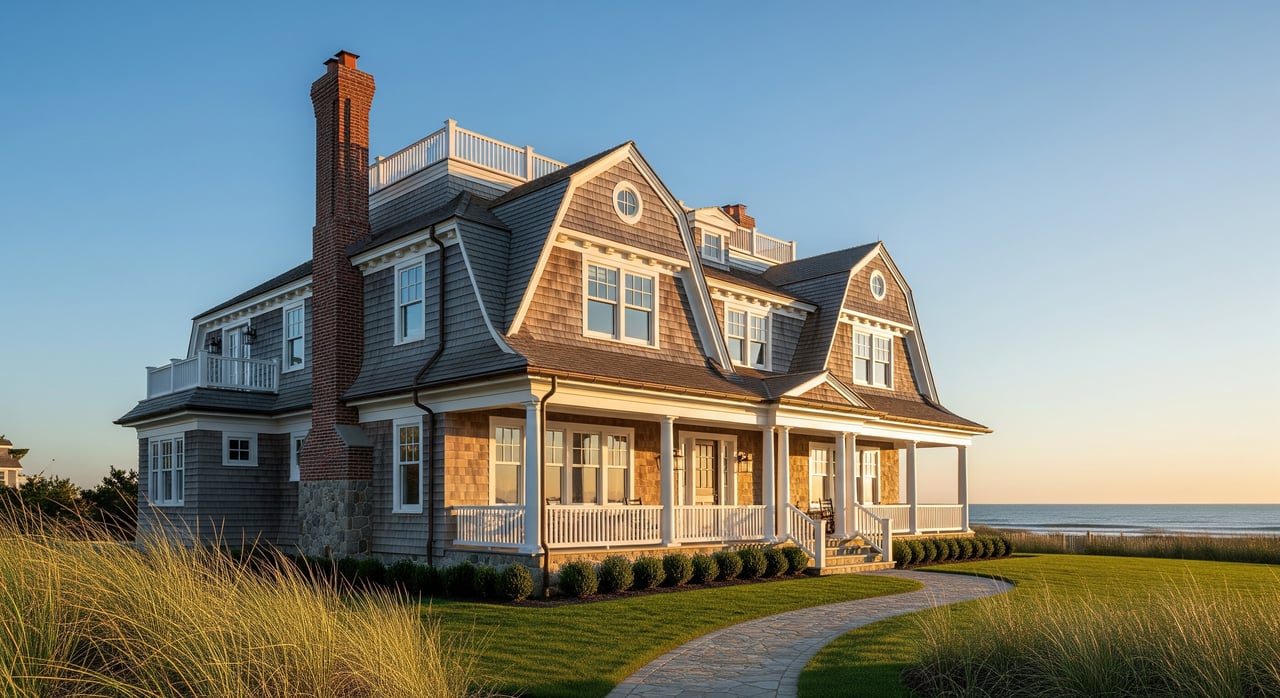
Shingle Style
- Character: Smooth, continuous shingle skin with minimal applied ornament.
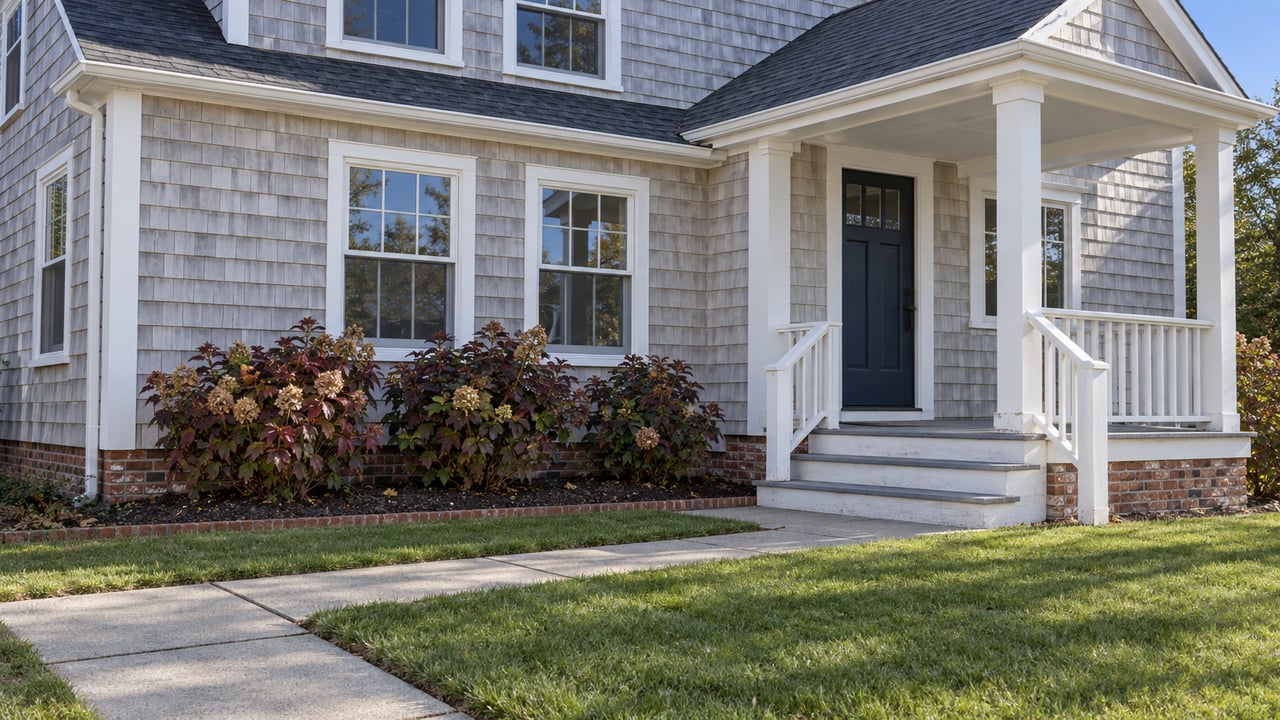
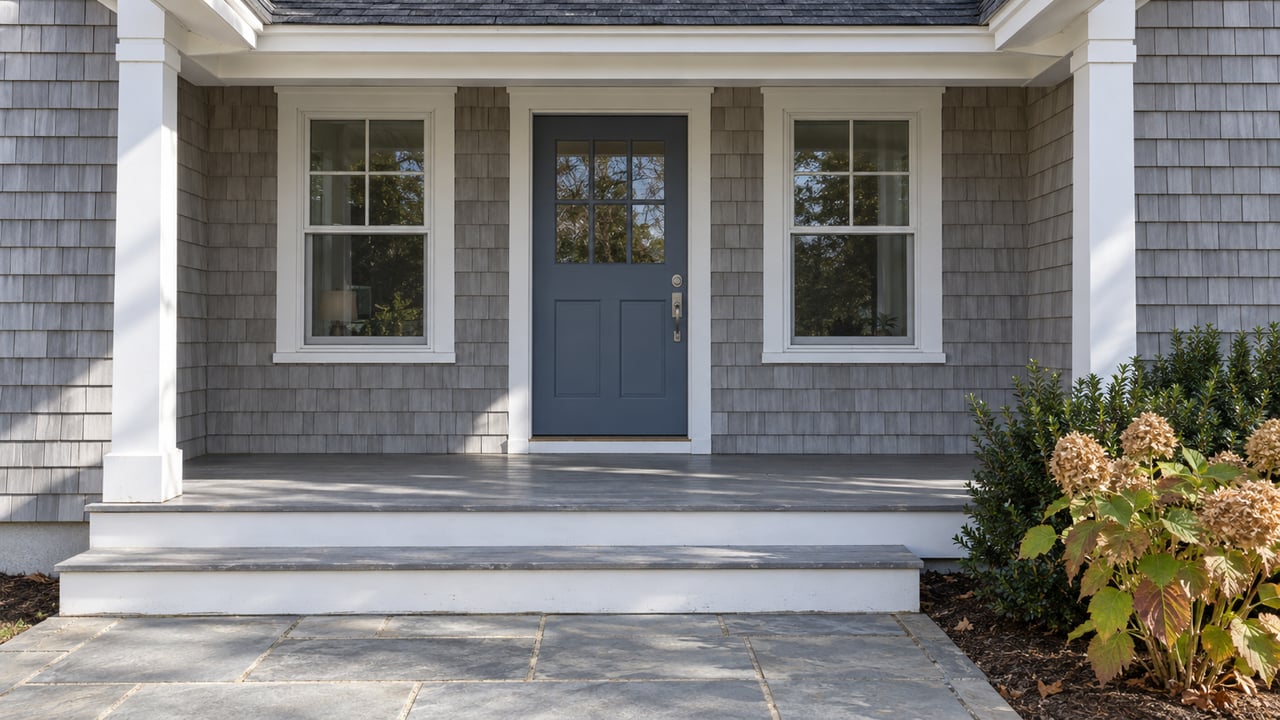
- Exterior cues: Irregular rooflines, broad porches, gambrel or hipped roofs, expansive cedar shingle surfaces.
- Coastal fit: Cedar shingles weather well in salt air and suit seaside lots.
Colonial Revival
- Character: Symmetry and classical details inspired by early American homes.
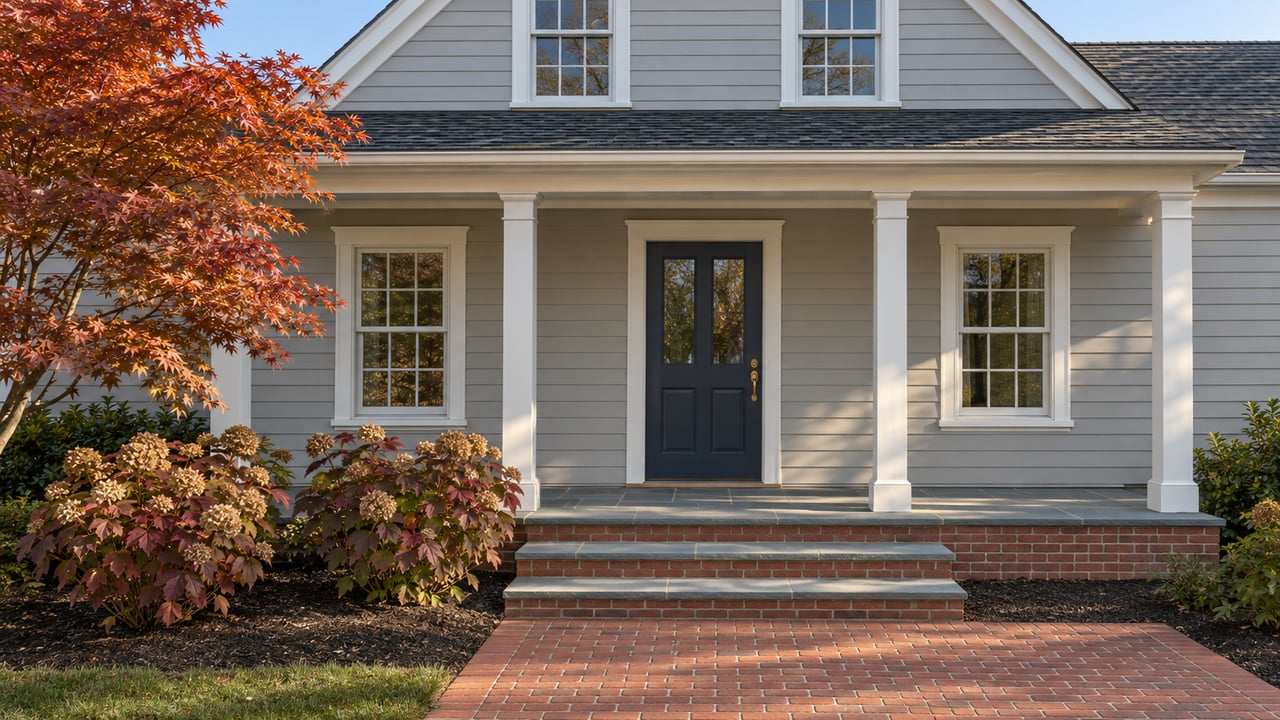
- Exterior cues: Centered entry with a pediment or portico, columned porches, multi‑pane double‑hung windows, gabled roofs.
- Materials: Clapboard, brick, or a combination.
Craftsman / Bungalow
- Character: Hand‑crafted details and visible structure.
- Exterior cues: Low‑pitched gables, wide eaves with exposed rafters, tapered porch columns on piers.
- Materials: Wood siding with stone or brick porch elements.
Tudor Revival
- Character: Romantic, storybook massing with medieval references.
- Exterior cues: Steep roofs, decorative half‑timbering, tall narrow multi‑pane windows, prominent chimneys.
- Materials: Stucco, brick, and stone with timber accents.
Coastal cottages and hybrids
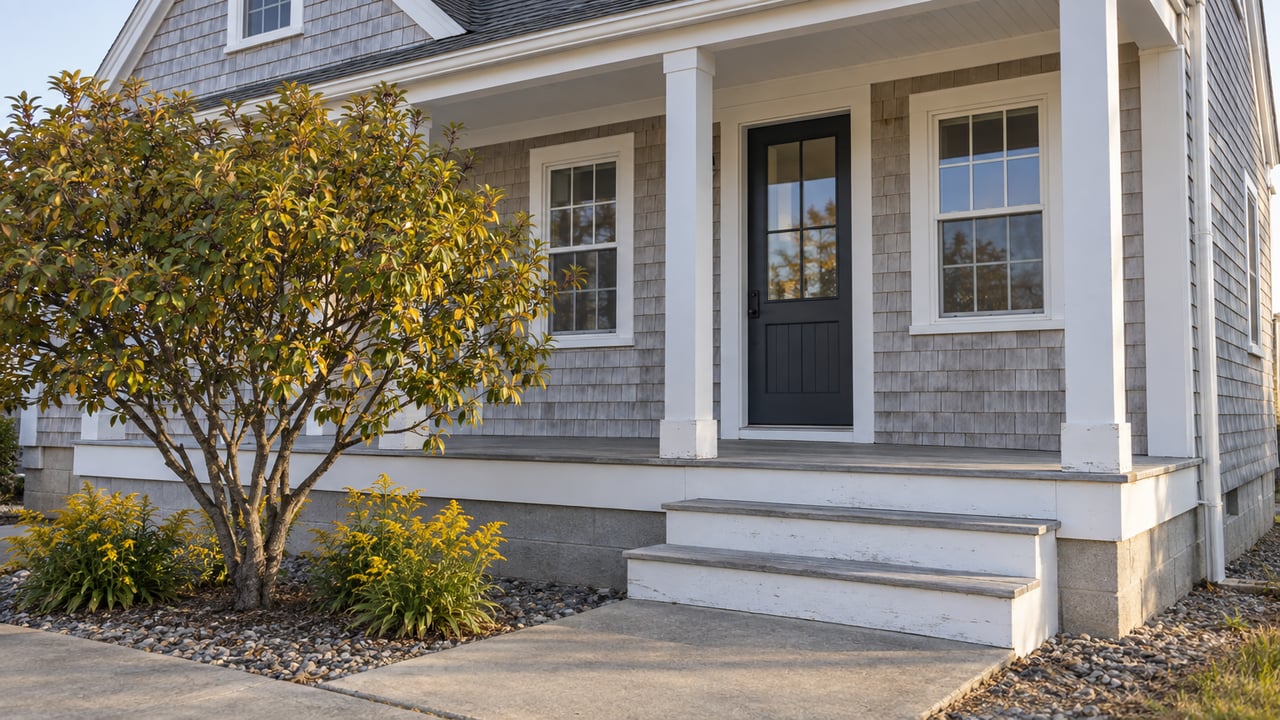
- Character: Compact footprints, welcoming porches, and raised foundations in some areas.
- Exterior cues: Mix‑and‑match elements, such as Colonial Revival massing with Shingle cladding.
Interior features buyers love
Older Sea Girt homes often use a center‑hall plan in Colonial Revival houses or an asymmetrical flow in Queen Anne designs. Craftsman bungalows favor a smaller footprint and an open living‑to‑dining sequence with the hearth as the focal point.
Look for character‑defining details you can preserve:
- Millwork: Wide baseboards, crown moldings, picture rails, paneled doors, and substantial casings.
- Staircases: Turned balusters, carved newels, and under‑stair built‑ins.
- Fireplaces: Original mantels in wood, tile, or marble.
- Built‑ins: Bookcases, window seats, plate rails, and leaded or stained glass.
- Floors and walls: Pine or oak floors, plaster walls and ceilings, and occasional ceiling medallions.
- Hardware: Brass or porcelain knobs, rim locks, and period mail slots.
Systems and upgrades to expect
Historic homes typically need system updates. Plan for the following during due diligence and budgeting:
- Electrical: Knob‑and‑tube or cloth‑insulated wiring and limited capacity. Modern loads often require a service upgrade.
- Insulation and windows: Limited wall insulation and single‑pane windows. Weatherstripping and storm windows can help without full replacement.
- Plumbing: Galvanized supply lines, cast‑iron drains, and older fittings may need replacement.
- Environmental hazards: Potential lead‑based paint in pre‑1978 homes and possible asbestos in old insulation or adhesives. Use certified contractors and follow the EPA Renovation, Repair and Painting Rule.
- Heating/cooling: Older boilers and radiators may still serve well, but adding central air requires careful routing to preserve trim and plaster.
Tasteful updates that respect character
Before you change anything, identify what gives the home its personality. Prioritize original mantels, built‑ins, staircases, windows, porches, and exterior cladding.
- Core principles: Repair rather than replace when feasible, and favor reversible, minimally invasive work. When replacement is necessary, match profiles and pane patterns.
- Exterior updates: Choose roofing and siding with the right historic profile. Consider durable alternatives that replicate appearance if maintenance is a concern, noting any visual differences.
- Windows: Repair sashes and hardware first. Add weatherstripping and storm windows for energy gains while keeping original frames.
- Porches and railings: Keep proportions, column shapes, and spindle sizes consistent to preserve the façade rhythm.
- Interiors: Place new kitchens and baths where they do not erase primary rooms. Retain or replicate trim and original door openings.
- Mechanicals: Route ductwork and piping through basements, crawlspaces, or attics. High‑velocity or ductless systems can reduce the need for large chases.
- Insulation: Start with attics and crawlspaces. For walls, consider methods that protect plaster, such as dense‑pack cellulose under professional guidance.
Coastal resilience and flood planning
Sea Girt’s coastal setting calls for added care in materials and detailing.
- Storm hardening: Reinforce porches and railings. Use stainless or hot‑dip galvanized fasteners and robust flashing details to manage wind‑driven rain and salt.
- Flood awareness: Review FEMA Flood Insurance Rate Maps for the specific property. If in a flood zone, consider elevations, flood vents, and water‑tolerant materials for lower levels. Keep mechanicals out of areas that may flood.
- Materials: Favor marine‑grade paints and primers, rust‑resistant hardware, and rot‑resistant woods like cedar or white oak, or quality substitutes that perform in salt air.
Permits, codes, and the right team
Always confirm local zoning and building requirements before you start. Work such as additions, raising a foundation, or enclosing a porch usually requires permits and plan review.
For best results, bring in professionals with historic house experience, including preservation‑minded architects, contractors skilled in plaster and millwork, and structural engineers familiar with older framing. For lead paint or asbestos, use certified contractors and follow state and federal rules. For context and guidance, consult the New Jersey Historic Preservation Office, the Sea Girt Historical Society, and the Monmouth County Historical Association.
Buyer due‑diligence checklist
Use this quick checklist to evaluate a Sea Girt historic home:
- Schedule a thorough inspection covering roof, foundation, exterior cladding, chimneys, porches, decks, and all systems.
- Request documentation: permits, contractor warranties, and code‑compliant system upgrades.
- Check FEMA flood maps and ask for elevation certificates if relevant. Confirm flood‑insurance requirements with your lender and insurer.
- Confirm sewer versus septic and investigate any potential oil tank. Order environmental or septic inspections as needed.
- Ask about historic designation or local preservation overlays that could affect exterior changes.
- Budget for hidden costs such as plaster repair, lead remediation, structural fixes, and coastal maintenance like painting and shingle replacement.
What to preserve for resale
For long‑term value, buyers and future sellers tend to appreciate authentic details. Focus on original windows and sash profiles, substantial millwork, mantels, staircases, porches, and primary exterior cladding. You can modernize kitchens and baths, but keep floor plans legible, trim intact, and mechanicals discreet.
Ready to explore Sea Girt homes?
If a timeless Sea Girt house has caught your eye, a thoughtful plan will protect its character and your investment. Our team understands the rhythm of coastal maintenance, the nuances of older systems, and the local approval process, so you can renovate with confidence and enjoy the shore lifestyle.
Have a property in mind or want a second opinion on a renovation plan? Schedule a conversation with Shawn Clayton to map your next steps.
FAQs
What historic styles are most common in Sea Girt?
- You will often see Queen Anne, Shingle Style, Colonial Revival, Craftsman/Bungalow, Tudor Revival, and compact seaside cottages with hybrid details.
How do I check flood risk for a Sea Girt home?
- Review FEMA Flood Insurance Rate Maps for the property, ask for any elevation certificate, and confirm insurance requirements with your lender and insurer.
Can I replace original windows in a historic Sea Girt house?
- Try repair first, adding weatherstripping and storm windows for efficiency. If replacement is necessary, match pane patterns and profiles to preserve the look.
What permits do I need for renovations in Sea Girt?
- Check with Sea Girt Borough planning and zoning. Additions, porch enclosures, structural work, or raising a foundation typically require permits and plan review.
How can I update a kitchen without losing character?
- Place new kitchens away from primary historic rooms, keep original trim and openings, and route mechanicals through secondary spaces to avoid cutting historic fabric.
What maintenance costs should I expect near the coast?
- Expect more frequent exterior upkeep from salt and wind, plus periodic roofing, siding, and paint work. Flood‑zone homes may have higher insurance costs.