Thinking about buying a beach rental in Manasquan? It can be an appealing investment story: a classic Jersey Shore town, a strong summer identity, and a housing stock that clearly supports seasonal use. But a successful rental here depends on more than finding a house near the water. You also need to understand local permits, seasonal demand, tax treatment, maintenance risk, and day-to-day oversight. Let’s dive in.
Why Manasquan attracts rental demand
Manasquan has many of the ingredients investors look for in a shore rental market. It is a one-mile Atlantic beach town with river access, a downtown business district, and a tourism calendar built around summer events like Thursday concerts, an Independence Day parade, fireworks, and other seasonal programming.
That matters because it supports a family-vacation rental pattern rather than a market driven only by quick weekend traffic. If you are evaluating rental appeal, that kind of repeat seasonal draw can be an important advantage.
The borough’s 2023 housing analysis adds more context. Manasquan has 3,372 housing units, with 25.4% listed as vacant, and 89.5% of those vacant units classified as seasonal, recreational, or occasional use. In plain terms, seasonal housing is already part of the local landscape.
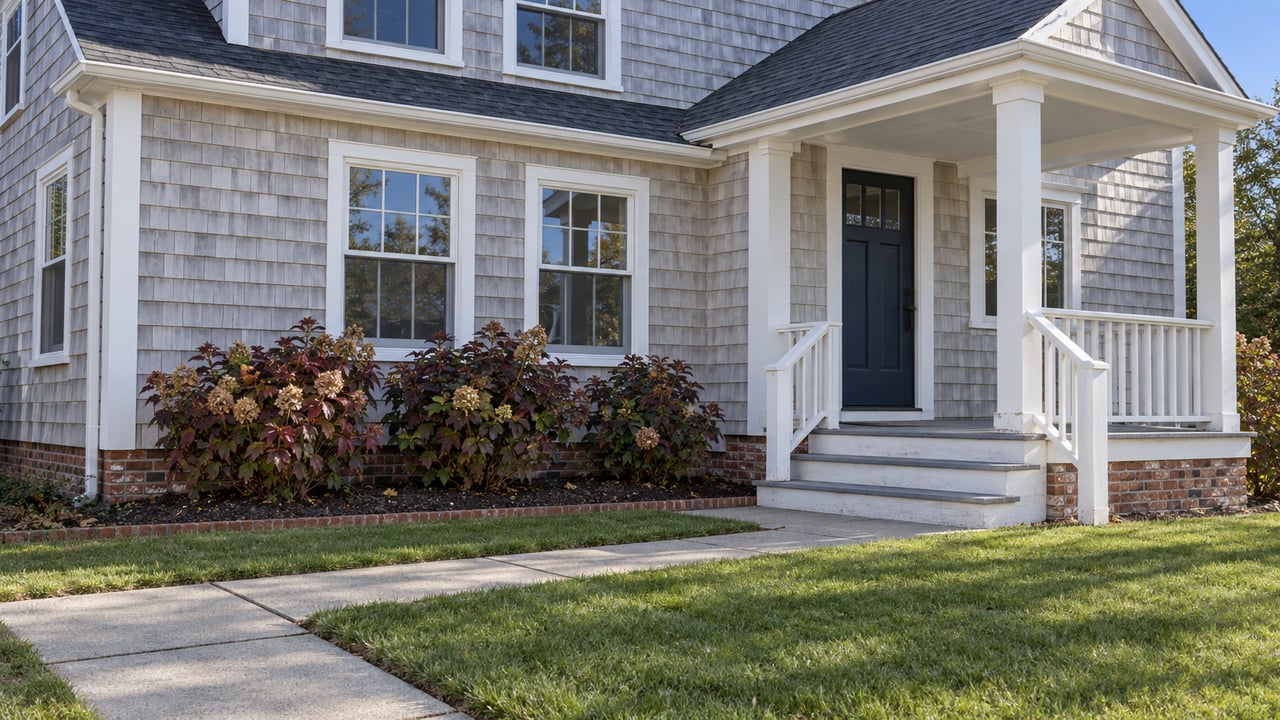
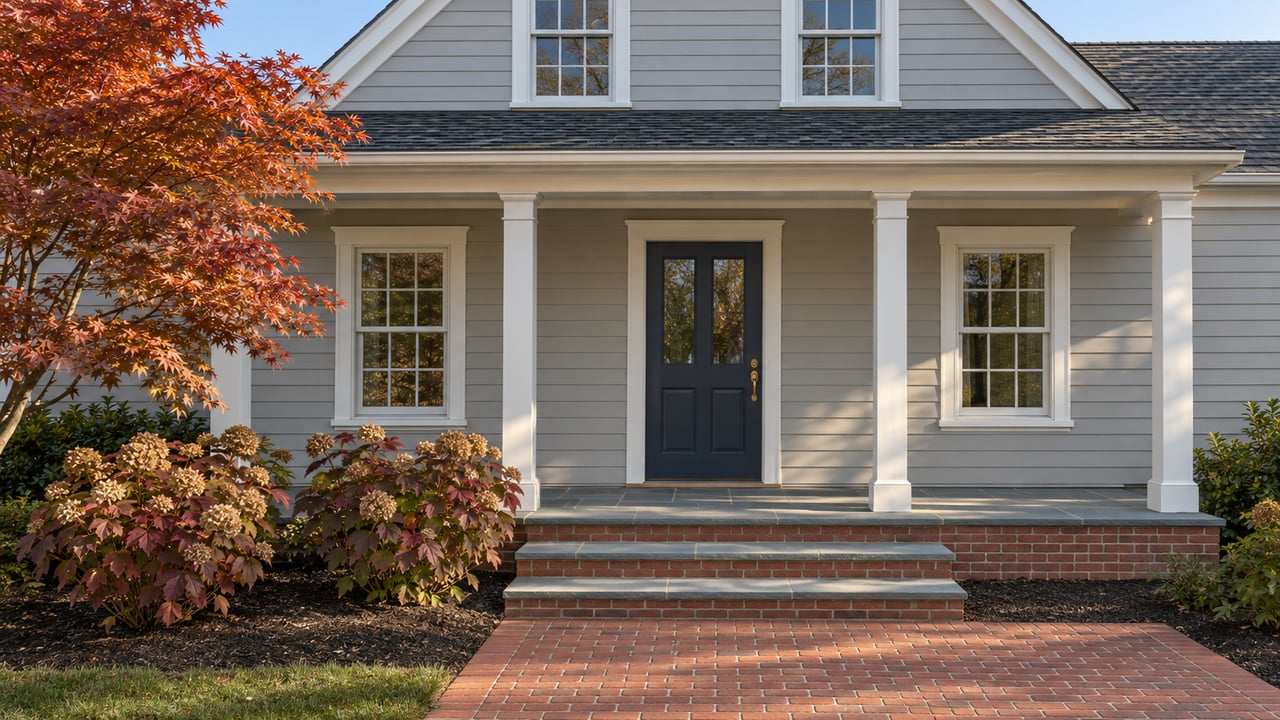
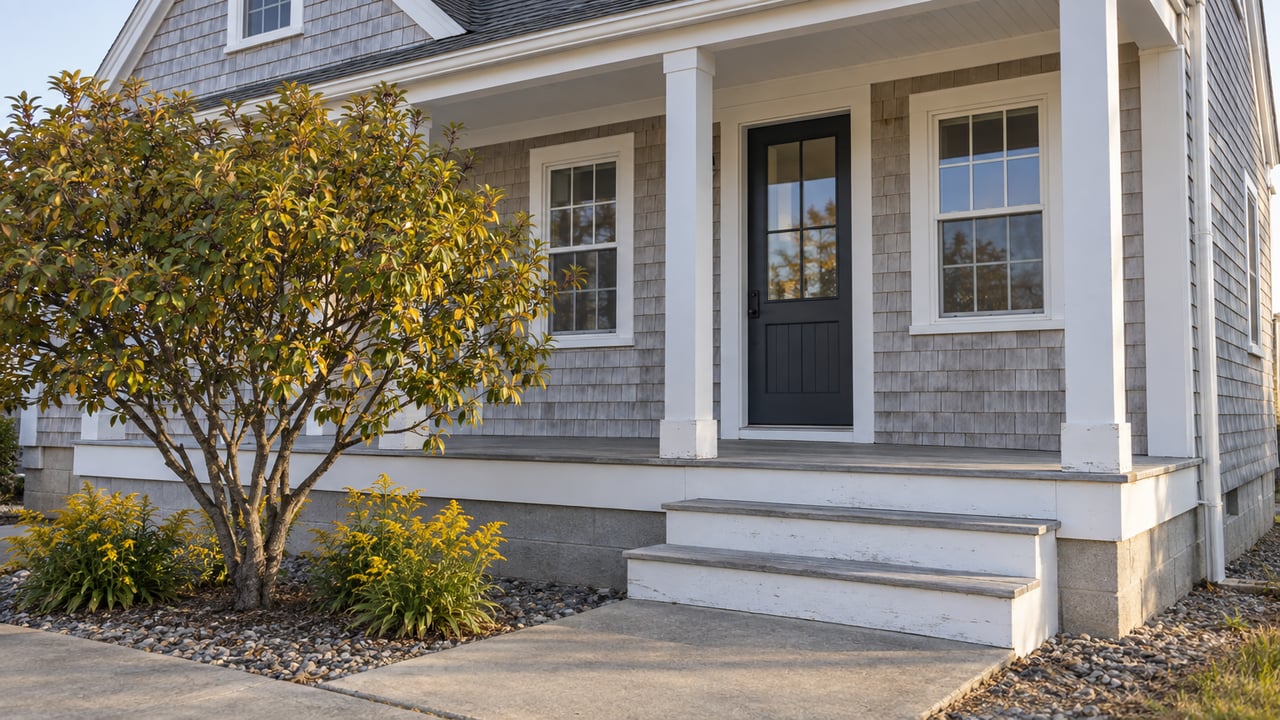
The same report shows that 85.4% of housing units are detached single-family homes. For investors, that lines up well with the type of property many vacation renters expect at the shore: private, whole-home accommodations with room for longer stays.
What the housing stock means for investors
Manasquan is not an entry-level market. The borough reports that 94.4% of homes were valued above $500,000, and the median owner-occupied home value was $947,100.
That pricing profile means your investment plan needs to account for a larger capital commitment from the start. It also means you should underwrite carefully, because purchase price, insurance, upkeep, and compliance costs can add up quickly in a coastal market.
Another important detail is the age of the housing stock. About half of Manasquan homes were built before 1960.
Older homes can be charming and highly desirable, but they often come with more maintenance needs. Systems, drainage, electrical updates, deferred repairs, and weather exposure should all be part of your due diligence before you count on rental income.
Rental permits come first
Before a tenant occupies a rental in Manasquan, the borough requires a rental permit and an inspection that leads to a Rental Certificate of Occupancy. This is not a formality. It is a required step in getting the property ready to operate legally.
The borough recognizes different rental periods. Seasonal rental permits run from May 1 through September 30, winter rentals run from October 1 through April 30, and other rentals can continue until a tenant change or three years, whichever comes first.
The certificate must be posted inside the unit and show the maximum occupancy. That makes occupancy compliance visible and operational, not just something buried in paperwork.
For investors, the key takeaway is simple: permit timing affects revenue timing. If you plan to close and quickly launch for peak season, you need to leave room for inspections, possible corrections, and certificate issuance.
Inspection fees and compliance costs
Manasquan’s current fee schedule lists inspection fees of $175 for summer rentals, $175 for winter rentals, and $200 for annual rentals. Rush and reinspection fees can increase that cost.
These may not be the largest line items in your budget, but they are real operating expenses. More importantly, they can become timeline issues if a property needs follow-up work before approval.
That is why investors should treat compliance as part of annual operations, not just a one-time closing task. If your property changes tenants often or requires corrective work, the administrative side of ownership can become more hands-on than expected.
Tax treatment depends on how bookings are handled
In New Jersey, transient-accommodation taxes can apply differently depending on how the rental is booked. Direct owner-to-guest rentals are generally outside that tax regime, while rentals booked through a transient space marketplace or operated as professionally managed units are generally subject to state taxes and fees. Broker-executed rentals that meet the state’s criteria are also excluded.
When the tax does apply, the current state Sales Tax is 6.625% and the State Occupancy Fee is 5%. That can make a meaningful difference in pricing strategy and net income.
The state’s Municipal Occupancy Tax list does not currently show Manasquan. Based on the state list, there is no obvious local hotel-style occupancy tax layer visible for the borough at this time.
Still, investors should avoid assuming the tax picture will never change. Local rules and state-administered lists can be updated, so it is wise to confirm the current structure as part of your setup and ongoing review.
Booking patterns favor whole-home rentals
Third-party short-term rental data suggests Manasquan is a whole-home market first. AirDNA reports 141 vacation rentals, 51% occupancy, an average daily rate of $545.10, and RevPAR of $270.50. It also shows that 94% of listings are entire homes.
Bedroom mix matters too. According to AirDNA, 3-bedroom and 4-bedroom homes make up the largest shares of inventory. That fits the local vacation pattern, where renters often travel as households or extended family groups for summer stays.
A second dataset from AirROI points in a similar direction, even though the numbers differ. Its 2026 data shows 71 active listings, a $517 average nightly rate, 38.7% occupancy, and a clear seasonal high point from June through August, with the slowest stretch from January through March.
The difference between data providers is a good reminder that these platforms are best used for directional insight, not exact underwriting. Still, both sources point to the same big-picture conclusion: Manasquan rental demand is seasonal, and whole-home inventory appears to perform best.
Amenities that likely matter most
If you are planning improvements or furnishing a property, the data offers a practical starting point. AirDNA identifies Wi-Fi, air conditioning, parking, and a kitchen as common amenities across local listings.
In a beach market like Manasquan, those basics are not really optional. Guests want a clean, comfortable whole-home setup that supports longer summer stays and makes arrival easy.
Before spending on decorative upgrades, focus on the features guests consistently expect. Reliable cooling, strong internet, practical parking, and a functional kitchen are more likely to support good reviews and repeat bookings than cosmetic extras alone.
AirDNA also shows meaningful shares of listings with 7 to 29 night minimums and 30-plus-night minimums. That suggests investors may want to consider more than one booking strategy, especially if they are weighing summer weekly rentals against longer shoulder-season stays.
Guest experience in Manasquan is very specific
One of the most important parts of managing a beach rental is helping guests understand how the town works before they arrive. In Manasquan, that includes beach badges, parking, and beach-use rules.
The borough’s current beach badge pricing is $90 for adults, $45 for juniors, $35 for seniors, $12 for daily badges, and $50 for weekly badges. Guests often want this information in advance so they can budget and plan.
The borough also notes that free on-street parking exists, while municipal lots may require fees or seasonal passes. If your home has on-site parking, that should be clearly communicated in your listing and pre-arrival materials.
Beach rules also matter. Dogs are allowed on the beach only in the off-season and must be leashed, dogs are not allowed on the boardwalk, and smoking, alcohol, and glass are prohibited on the beach.
The borough also identifies surfing areas and notes the location of bathrooms and showers at several beach access points. These details may seem small, but they can shape the guest experience and reduce preventable complaints.
Seasonality should shape your strategy
Manasquan’s event calendar reinforces its summer identity. The borough promotes Thursday night concerts, fireworks, sand-castle tournaments, kayak and canoe races, and other warm-weather events.
That means your marketing should not focus only on square footage or finishes. In this market, renters are also choosing a summer routine, beach access, and a walkable coastal experience.
For investors, seasonality affects pricing, occupancy expectations, staffing, and turnover planning. It may also influence whether you target peak-season weekly stays, longer shoulder-season bookings, or a blend of both.
A strong investment plan usually starts with realistic assumptions about when demand is highest and when the market naturally slows. In Manasquan, the available data points clearly to a summer-centered revenue pattern.
Flood exposure and coastal upkeep are central risks
Maintenance is not a side issue in Manasquan. It is a core part of owning coastal property.
The borough’s flood information states that more than 90% of Manasquan is in some type of flood inundation area. The borough also offers flood-zone determinations, elevation certificate support, map interpretation, and mitigation assistance.
Manasquan participates in the National Flood Insurance Program and the Community Rating System, and the borough says residents receive a 25% reduction in annual flood insurance premiums. The borough also reminds owners that standard homeowners insurance does not cover flooding.
For an investor, that means flood risk should be reviewed early and in detail. Insurance structure, elevation, drainage, storm preparation, and post-storm response all affect the true cost of ownership.
Why local management can protect the investment
Out-of-area ownership can work in Manasquan, but it requires good local execution. You are not just managing bookings. You are also keeping permits current, passing inspections, posting occupancy limits, coordinating summer turnovers, answering guest questions, and responding quickly if weather creates property issues.
The borough’s code gives Manasquan meaningful enforcement tools. These include reinspections, permit revocation if cited violations are not corrected, and a complaint process that can lead to a bond requirement after repeated substantiated disorderly-conduct complaints tied to seasonal renters.
That is one reason local oversight matters so much. A capable local partner can help reduce compliance friction, maintain operating readiness, and protect the condition and reputation of the property.
For investors who want a more hands-on and informed approach, that support can be just as important as the initial purchase decision. In a shore market with strong seasonality and real operating rules, professional management is often part of preserving income, not just adding convenience.
Final thoughts for Manasquan investors
A Manasquan beach rental can be a compelling long-term asset, especially if you value a classic Jersey Shore location with established seasonal demand and a strong whole-home rental profile. But this is also a market where details matter. Permits, inspection timing, taxes, amenity choices, flood exposure, and guest communication all play a direct role in performance.
If you are considering a purchase, it helps to evaluate the property not just as a home, but as an operating coastal asset. The right strategy starts with a clear view of the borough’s rules, the seasonality of demand, and the day-to-day realities of ownership.
If you are weighing a Manasquan rental purchase or want help managing a coastal investment property, Shawn Clayton can help you approach the opportunity with local insight and hands-on guidance.
FAQs
What permits are required for a rental property in Manasquan?
- Manasquan requires a rental permit before occupancy, plus an inspection and Rental Certificate of Occupancy that must be posted inside the unit with the maximum occupancy listed.
How much do Manasquan rental inspections cost?
- The borough’s current fee schedule lists $175 for summer rentals, $175 for winter rentals, and $200 for annual rentals, with additional fees possible for rush processing or reinspections.
Are Manasquan beach rentals subject to occupancy tax?
- Tax treatment depends on how the stay is booked. Direct owner-to-guest rentals are generally outside the transient-accommodation tax regime, while marketplace-booked or professionally managed rentals are generally subject to state taxes and fees.
What kind of vacation rentals appear to perform best in Manasquan?
- Available short-term rental data suggests Manasquan is heavily oriented toward entire-home rentals, with 3-bedroom and 4-bedroom homes making up a large share of local inventory.
What amenities should a Manasquan rental property offer?
- The local market appears to reward dependable basics first, especially Wi-Fi, air conditioning, parking, and a practical kitchen.
Is flood risk a major issue for Manasquan investment property?
- Yes. The borough says more than 90% of Manasquan is in some type of flood inundation area, so flood-zone review, insurance planning, and storm readiness are important parts of due diligence.
Why is local property management helpful for a Manasquan rental?
- A local manager can help with permits, inspections, guest communication, turnover coordination, rule compliance, and quick response to maintenance or storm-related issues.