If you are thinking about living in Point Pleasant Beach full-time, the biggest surprise may be this: it is both a real year-round community and a seasonal shore town at the same time. That mix can be a great fit if you want coastal access without giving up everyday livability, but it also means your block, parking setup, and flood exposure matter more than they might in another town. In this guide, you will get a practical look at how Point Pleasant Beach functions beyond summer, what areas tend to feel more residential, and what to verify before you buy. Let’s dive in.
Point Pleasant Beach has a true year-round side
Point Pleasant Beach officially presents itself as a year-round community, with beaches, restaurants, family-focused amenities, an arts scene, and an interest in preserving historic buildings. That matters if you want a town that stays active beyond peak season.
At the same time, the housing pattern is clearly seasonal. The borough’s 2021 master plan amendment, using 2018 ACS data, reported 2,001 occupied households and 1,103 vacant units, including 799 seasonal vacancies. In plain terms, that means Point Pleasant Beach is not a purely year-round suburb. It functions as both a permanent residential community and a summer destination.
For you as a buyer, that dual identity shapes daily life. Some parts of town stay steady and residential in the off-season, while others feel much more tied to beach traffic, tourism, and seasonal occupancy.
Housing patterns shape daily life
The borough’s environmental inventory describes Point Pleasant Beach as primarily low-density single-family housing, with townhomes and condominiums mixed in. That combination helps explain why one street can feel quiet and residential while another feels more like a shore destination.
The same planning documents also make clear that the borough intends to serve both year-round and seasonal populations. If your goal is full-time living, you will want to focus less on the idea of the town as a whole and more on how a specific location lives in January, March, and November.
That is often the difference between loving a home in Point Pleasant Beach and feeling like you bought in the wrong pocket of town.
More residential areas tend to be inland
The borough’s planning documents offer a helpful roadmap. Point Pleasant Beach has 12 zoning districts, and the dominant one is SF-5, a moderate-density single-family residential district with a 5,000-square-foot minimum lot size.
The environmental inventory also identifies LR as low-density single-family, HR as high-density residential, and RR-1, RR-2, and RR-3 as resort residential districts. Those labels do not tell you everything about a block, but they do give you strong clues about how an area may function year-round.
In general, buyers looking for a more residential full-time feel often prefer inland single-family areas, especially SF-5 and LR sections away from the boardwalk and the busiest commercial corridors. That takeaway is based on the borough’s zoning map and planning documents.
Areas near the beach and boardwalk feel different
The resort-residential districts are located along the beachfront or just inland. The high-density residential district is at the southern tip of the borough near the Manasquan Inlet.
Commercial zoning is concentrated along Route 35 and Broadway and west of the railroad tracks on either side of Arnold Avenue. The master plan also states that the borough wants to keep amusements on the east side of Ocean Avenue and residential uses on the west side to the greatest degree possible.
What does that mean for you? If you buy near the beachfront, inlet, boardwalk, or main commercial stretches, you may get walkability and shoreline access, but you are also more likely to feel the resort side of Point Pleasant Beach. If you want quieter day-to-day living, inland residential streets may be the better fit.
Loughran Point is a distinct residential pocket
The borough’s master planning materials identify the Loughran Point bungalow area as a distinct residential pocket. For year-round buyers, that is worth noting because it points to a more specific residential identity within the broader town pattern.
That does not automatically make it the right fit for every buyer. It does, however, reinforce the idea that Point Pleasant Beach is best understood block by block rather than by one broad label.
Parking matters more than many buyers expect
In a barrier-island town, parking is not a small detail. It can shape your routine, guest access, and even how convenient your home feels in peak season.
The borough says street meters and certain municipal lots operate from March 1 through October 31 every day. Weekend and holiday rates are higher than weekday rates. The railroad station lot is also seasonal, with fees in effect from May 15 through September 15.
There are overnight parking rules as well. The police FAQ says some highlighted District 3 and District 4 areas require an overnight parking permit between 12:30 a.m. and 4:00 a.m., while several main streets are exempt.
Before you buy, it is smart to confirm not just how many spaces a property has, but also how street parking, guest parking, and overnight restrictions may affect your household.
Transit is a real year-round advantage
Point Pleasant Beach has stronger transit access than many shore buyers expect. The borough says the NJ Transit train station and bus stop are located at Route 35 North and Arnold Avenue.
NJ Transit identifies Point Pleasant Beach Station as part of the North Jersey Coast Line, with parking available. If you commute, split time between homes, or host guests who prefer not to drive, that access can be a meaningful advantage.
For some year-round buyers, the ability to reach the town by rail is part of what makes full-time living here practical rather than just appealing in summer.
Boardwalk proximity brings trade-offs
Living close to the boardwalk can sound ideal, and for some buyers it is. You may enjoy easy beach access, a classic shore setting, and strong convenience during the season.
Still, the borough’s rules show that boardwalk-adjacent living comes with a more regulated environment. The police FAQ says bicycles are generally limited to early-morning hours on the boardwalk, dogs are not permitted on the boardwalk, and dogs are allowed on the beach only during limited seasonal windows.
The borough code also prohibits skateboards on the boardwalk and bans motor vehicles there except for narrow exceptions. In addition, the borough’s noise ordinance applies to residential properties, multi-dwelling buildings, public spaces, and rights-of-way.
Taken together, these rules suggest that homes close to the boardwalk trade convenience for more foot traffic, more regulation, and a less purely residential feel. That conclusion is a practical inference from the local ordinance structure.
Home types for year-round buyers
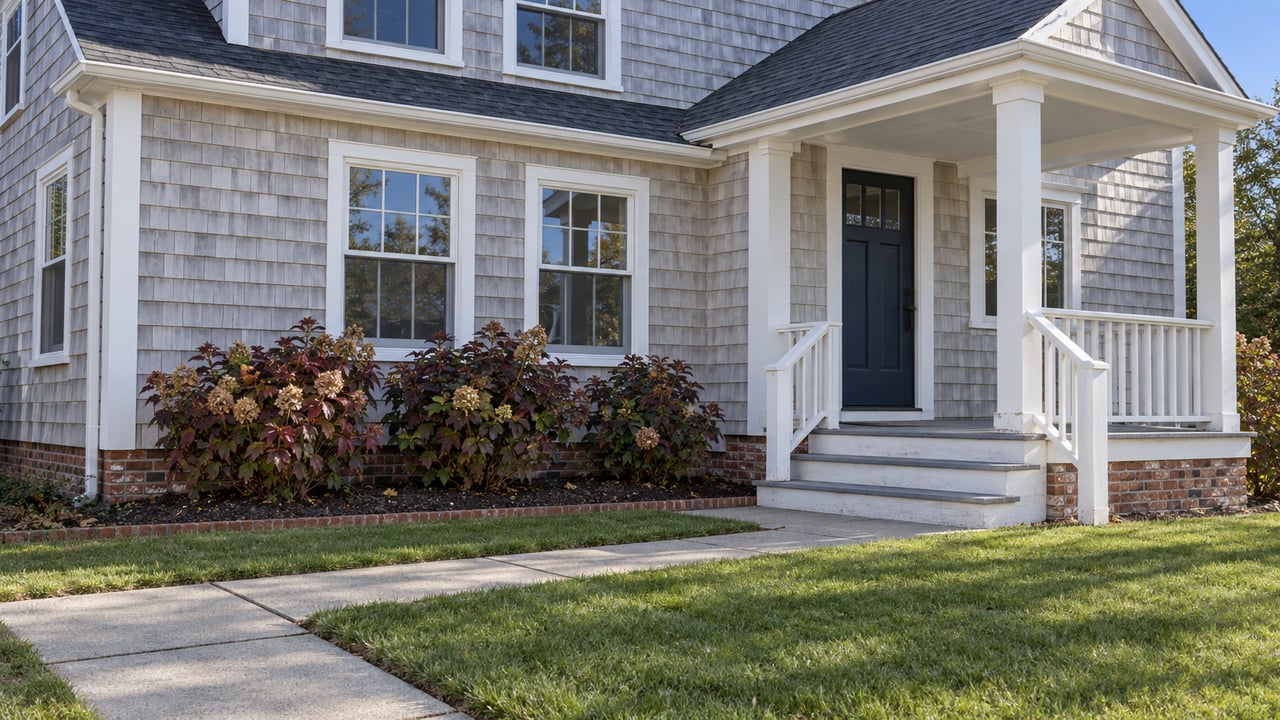
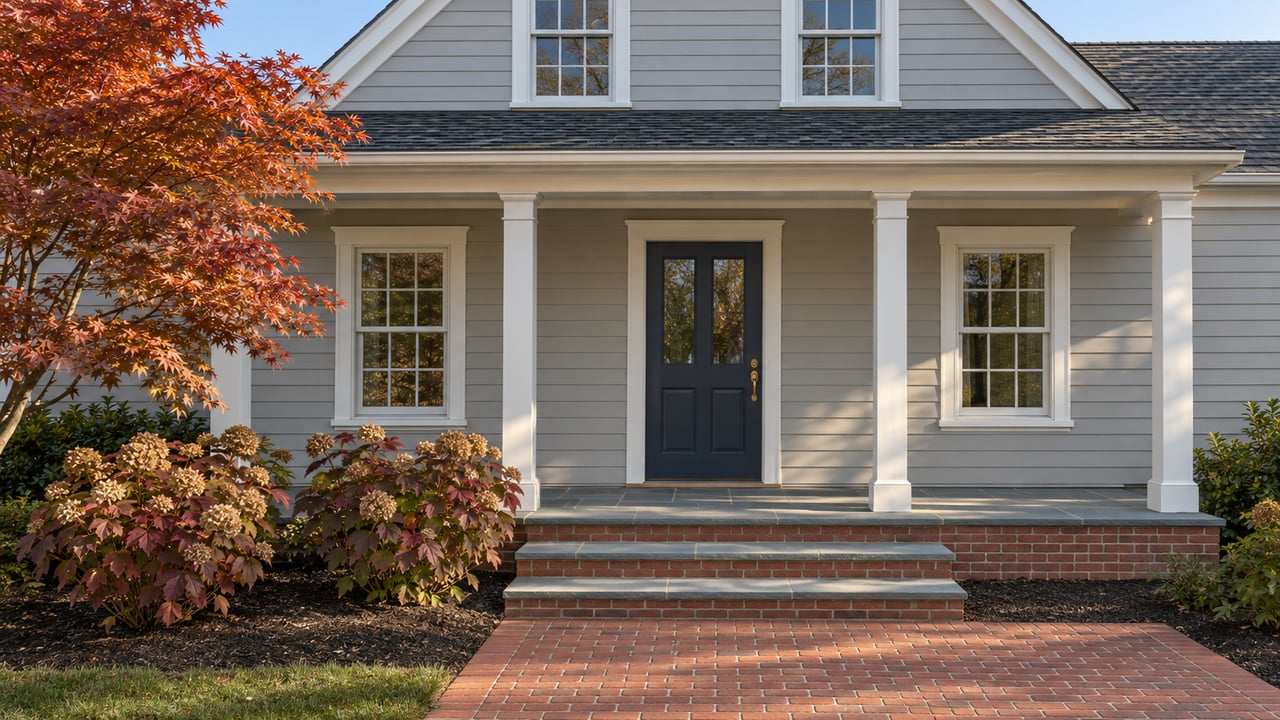
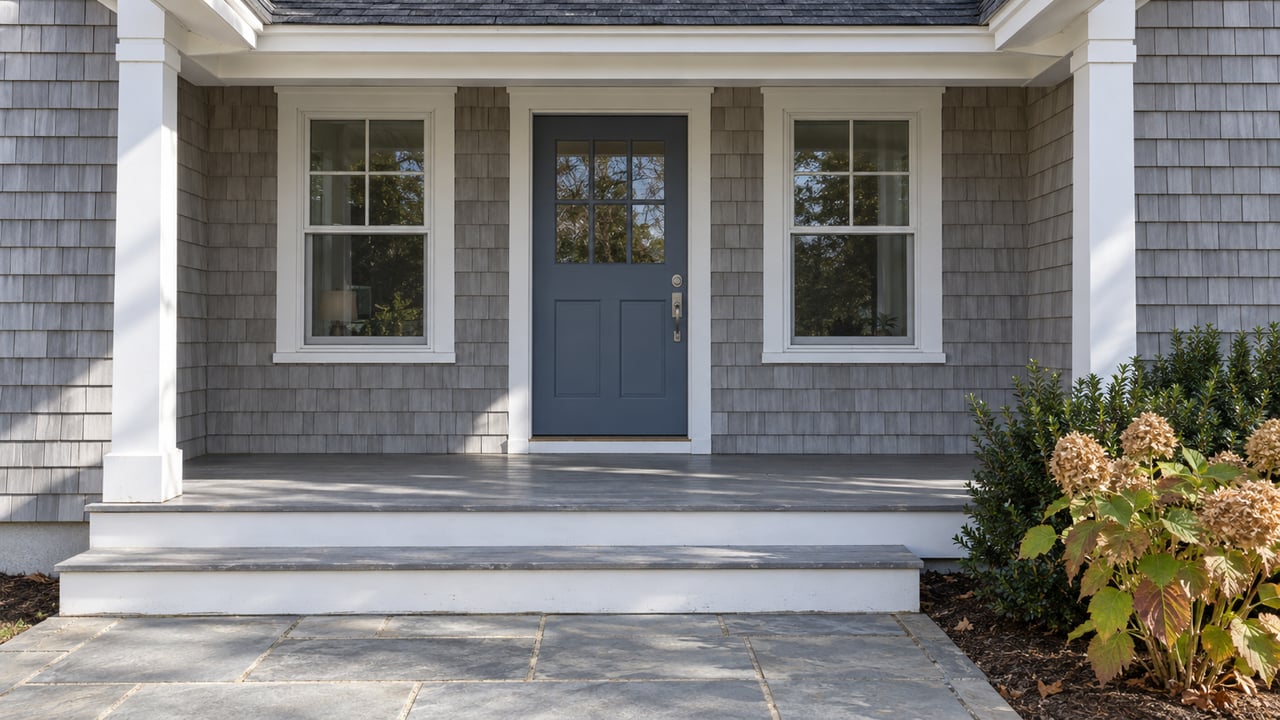
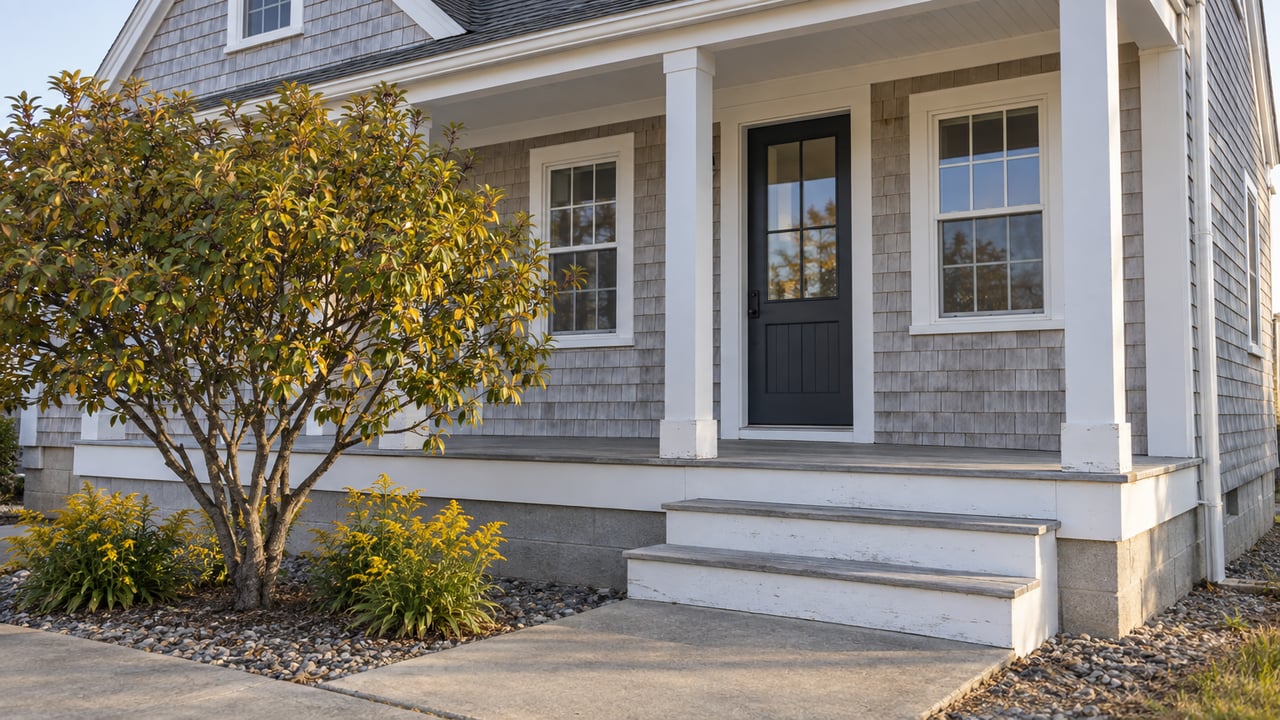
If you plan to live in Point Pleasant Beach full-time, you will likely be choosing among detached single-family homes, townhomes, and condominiums. The borough’s environmental inventory points to this mix throughout the housing stock.
For some buyers, a detached home may offer the strongest sense of year-round neighborhood living. For others, a townhouse or condominium may be more appealing if you want a simpler lock-and-leave setup.
The planning documents also note that some waterfront and marine-commercial standards can allow mixed-use residential configurations above commercial space in certain settings. That may be more relevant if you want convenience or a lower-maintenance property than a traditional single-family home.
Flood due diligence is essential
This is one of the most important parts of buying in Point Pleasant Beach. The borough states that the town sits on a barrier island, that the entire borough is subject to flooding, and that nearly half of the town is in the 100-year floodplain.
The borough’s flood materials also say Point Pleasant Beach includes VE, AE, and AO flood zones. Work in floodplain areas requires permits, and substantial improvements or new construction in V and A zones must meet elevation standards.
None of that means you should avoid the town. It does mean you should approach a purchase with clear eyes and verify flood zone status, elevation, insurance implications, and any property-specific improvement considerations before moving forward.
New construction is limited
The environmental inventory notes that only 0.6% of land in the borough remains vacant. In practical terms, Point Pleasant Beach is essentially built out.
For buyers, that means most opportunities are resale homes rather than new construction. It also means location, condition, and property-specific features often carry extra weight because there are fewer chances to simply build new in a preferred pocket.
If you have a very specific year-round living checklist, patience and local market guidance can make a real difference.
A simple checklist before you buy
When your goal is full-time comfort, a coastal purchase should be evaluated through a year-round lens. In Point Pleasant Beach, these details can matter just as much as square footage or bedroom count.
Before you buy, make sure you confirm:
- Flood zone
- Elevation
- Flood insurance costs
- Parking setup and overnight parking rules
- Whether the property is in a resort-oriented beach area or a quieter inland residential district
- Proximity to commercial corridors, the boardwalk, and seasonal activity
- The type of home that best matches your lifestyle, whether single-family, townhouse, or condominium
A home that looks perfect in July can feel very different in February. That is why local context matters so much here.
Why local insight matters in Point Pleasant Beach
Point Pleasant Beach is not a one-note market. It offers a genuine year-round community, but it also has a strong seasonal housing pattern, resort-residential areas, and coastal ownership considerations that can meaningfully affect your experience.
If you are buying for full-time living, the right decision often comes down to matching your goals with the right pocket of town, the right property type, and the right level of due diligence. That kind of block-by-block guidance is especially valuable in barrier-island markets where lifestyle and logistics are tightly connected.
If you are considering a purchase in Point Pleasant Beach and want experienced coastal guidance, Shawn Clayton can help you evaluate the market with the local perspective and discretion that year-round shore buying deserves.
FAQs
What is year-round living like in Point Pleasant Beach?
- Point Pleasant Beach functions as both a year-round community and a seasonal shore town, so your experience depends heavily on the specific area, home type, and proximity to beach and commercial activity.
Which parts of Point Pleasant Beach feel more residential?
- Borough planning documents suggest inland single-family areas, especially SF-5 and LR districts away from the boardwalk and major commercial corridors, often feel more residential for full-time living.
What should Point Pleasant Beach buyers know about parking?
- Buyers should verify on-site parking, guest parking, meter seasons, railroad lot fees, and whether a property is in an area with overnight parking permit requirements.
Is Point Pleasant Beach a good option for commuters?
- The borough says the NJ Transit train station and bus stop are at Route 35 North and Arnold Avenue, and the station is on the North Jersey Coast Line, which can be a meaningful advantage for commuting or hosting guests.
What should buyers verify about flood risk in Point Pleasant Beach?
- Buyers should confirm the property’s flood zone, elevation, insurance costs, and whether any future work may trigger floodplain permit or elevation requirements.
Are there many new construction opportunities in Point Pleasant Beach?
- The borough’s environmental inventory says only 0.6% of land remains vacant, so most buyers should expect a resale-driven market rather than many new construction options.
What kinds of homes are common in Point Pleasant Beach for year-round buyers?
- The local housing mix includes detached single-family homes, townhomes, and condominiums, with some mixed-use residential configurations in certain settings.