Thinking about a second home at the Jersey Shore but torn between a condo and a house in Point Pleasant Beach? You are not alone. Each option offers a different balance of cost, upkeep, rental potential, and lifestyle. In this guide, you will learn how the two compare across ownership costs, rental rules, financing, and location tradeoffs so you can choose with confidence. Let’s dive in.
Market reality in Point Pleasant Beach
Point Pleasant Beach offers a wide mix of properties, from oceanfront condos near the boardwalk to larger single-family homes on the bay and inlet. Published price snapshots for the borough often land in the mid-six-figure to low-seven-figure range, with premium waterfront homes higher. Medians vary by source and by month, so use ranges and verify current data before you tour.
The housing stock is predominantly detached homes, with condos making up a smaller but important share of the inventory. That means condo supply is naturally limited, which can influence competition and resale options. Expect the market to tighten in spring and summer as seasonal buyers arrive.
Condo vs house: which fits your plan
When a condo makes sense
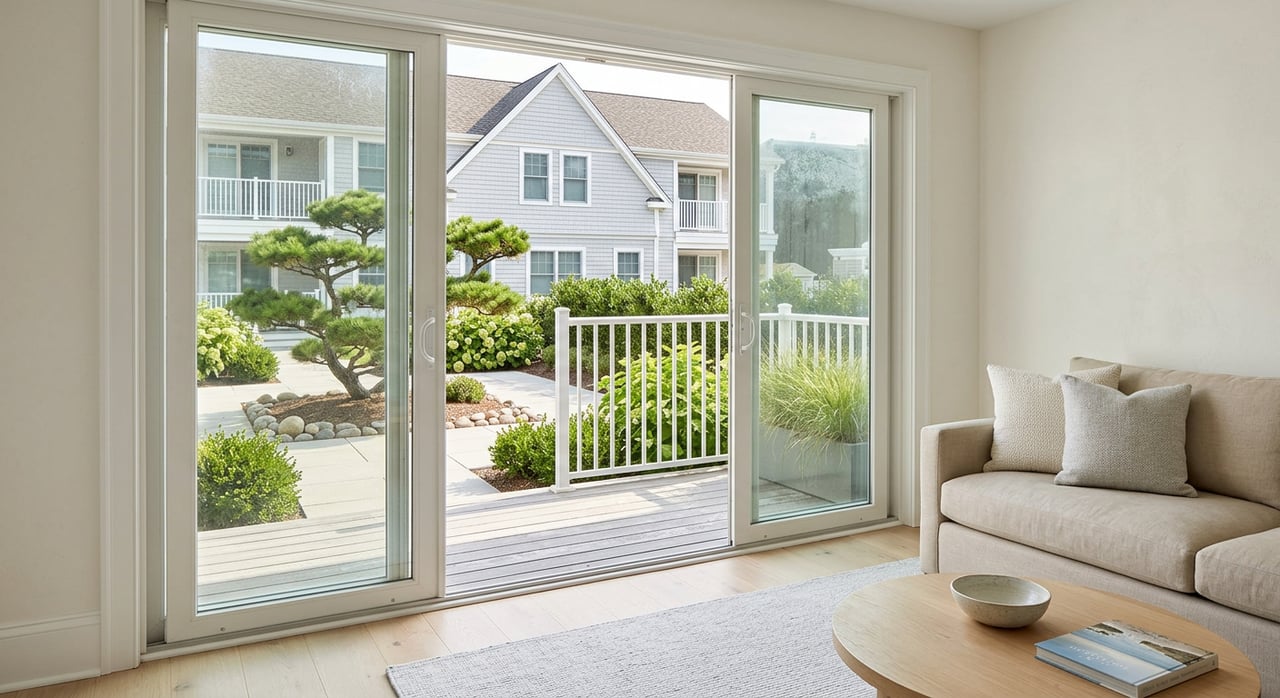
If you want easy ownership and walk-to-everything convenience, a condo near the beach or boardwalk can be a smart fit. Association fees typically cover exterior maintenance, common areas, trash, and snow removal, and many buildings carry master insurance for common elements. That lowers day-to-day upkeep but adds a monthly fee and the possibility of special assessments if reserves are low. Always review the association’s budget, reserve study, insurance, and recent meeting minutes.
Condos also come with project-level financing rules. Many lenders look for “warrantable” projects that meet Fannie Mae or Freddie Mac standards. If a project is non-warrantable, you may need a portfolio loan or a higher down payment. You can ask your lender to check the project using Fannie Mae’s Condo Project Manager to understand your options.
When a house makes sense
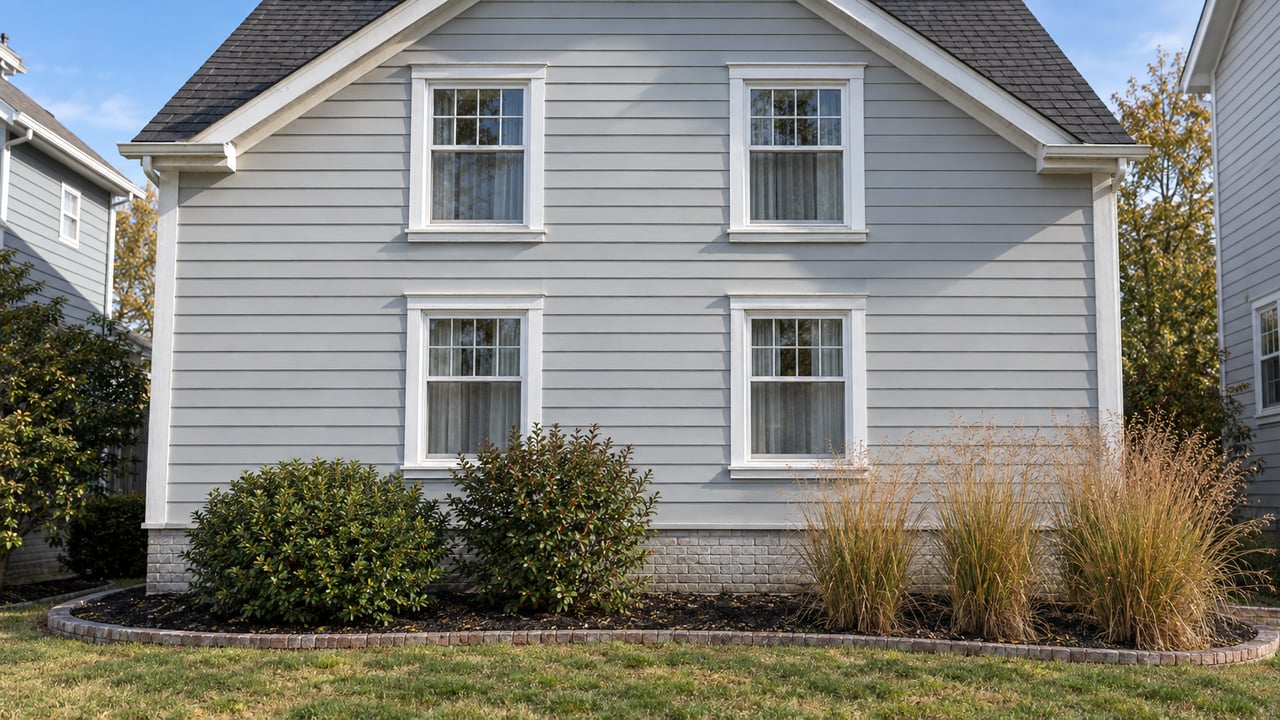
If you value privacy, space, a yard, or a dock for boating, a single-family home on the bay or inlet may be the better choice. Detached homes give you full control over improvements and rentals, subject to local rules. The tradeoff is higher personal responsibility for maintenance and insurance, especially on the waterfront where bulkheads, docks, and coastal systems require attention.
Many shoreline parcels sit in FEMA Special Flood Hazard Areas. That often means flood insurance is required by a lender and premiums can be higher. Review the property’s flood zone and elevation, and get quotes before you commit.
True cost: side-by-side ownership math
The best way to choose is to compare total annual cost, not just the purchase price. Use this worksheet to build a realistic budget for each property.
| Cost item | Condo | House |
|---|---|---|
| Estimated purchase price | $ | $ |
| Down payment and closing costs | $ | $ |
| Annual property taxes (parcel specific) | $ | $ |
| HOA/condo fees (if applicable) | $ | N/A |
| Homeowners insurance | $ | $ |
| Flood insurance (if required) | $ | $ |
| Maintenance reserve | $ | $ |
| Utilities and services | $ | $ |
| Professional management (optional) | $ | $ |
| Total annual cost | $ | $ |
How to fill it in:
- Property taxes. New Jersey’s taxes are high relative to the U.S. average. Use the exact parcel bill rather than a statewide rate. You can confirm local context using public tax resources for Point Pleasant Beach, then verify the line item for each address.
- HOA fees. In Point Pleasant Beach, monthly fees vary by age, size, amenities, and proximity to the ocean. Oceanfront buildings with pools or elevators are typically higher than smaller inland complexes. Review what the fee covers and whether reserves are adequately funded.
- Insurance. Ask for two quotes: a homeowners policy and a separate flood policy if the property is in a Special Flood Hazard Area. Elevation and construction type will influence flood premiums.
- Maintenance. Coastal homes often require more frequent exterior work and earlier replacement of systems. Budget conservatively, especially for oceanfront or bayfront houses with docks and bulkheads.
Pro tip: build this worksheet for two or three real properties you like. The numbers will make your choice clearer than any headline price.
Short-term rentals: rules and revenue reality
If you plan to rent, start with the borough’s rules. Point Pleasant Beach requires a rental license and inspections, and the ordinance generally prohibits rentals shorter than one month except during the summer season when minimum stays of seven days are allowed. Always confirm the latest requirements and timing with the borough.
The town actively enforces its rules, and there has been litigation around the ordinance. Treat compliance as a must-have, not an afterthought.
On taxes, New Jersey typically applies state sales tax and a state occupancy fee to short stays, and municipalities may add local occupancy taxes. Some platforms collect part of these taxes, but hosts remain responsible for anything not collected on their behalf. Verify the current combined rate with the state and the local tax collector.
Revenue is highly seasonal at the Jersey Shore. Peak demand concentrates in the 16-week summer window, with premiums near the boardwalk and oceanfront. For underwriting, use conservative projections and confirm with a professional STR analytics tool or a local property manager. If you are buying a condo, confirm the HOA’s rental policy in writing before you make an offer.
- Borough rental rules and licensing: Point Pleasant Beach Rental Properties
- Enforcement context: federal litigation summary
- Lodging tax overview: NJ lodging tax framework
Financing and condo warrantability
Second-home financing differs from primary-residence loans. FHA programs generally focus on primary residences, so most second-home buyers use conventional financing. Conventional lenders often require a higher down payment for second homes than for primary residences. Start your lender conversation early and state your intended use so you get accurate down payment, reserve, and debt-to-income guidance.
For condos, ask whether the project is “warrantable.” Lenders and the agencies review items like owner-occupancy ratios, budgeted reserves, insurance, and litigation before approving loans in a project. A non-warrantable project can still be financeable, but often with different loan terms. Your lender can check status using Fannie Mae’s Condo Project Manager and the Fannie Mae project-standards guide.
If you are leaning toward a condo, request the HOA’s full document set up front. A healthy budget with a dedicated reserve line, recent reserve study, and clear insurance coverage are good signs for both financing and future resale.
- FHA program focus: HUD single-family resource
Location and lifestyle tradeoffs
Boardwalk and oceanfront
Staying near the beach gives you walkable fun and strong seasonal rental demand. You will also see higher HOA fees in full-amenity buildings and a higher chance of flood-zone exposure. Expect lively surroundings in peak months.
Inlet and bayfront
Waterfront houses on the inlet and bay often offer docks and bigger footprints. They usually carry more complex maintenance and may require higher flood-elevation standards. Bulkhead, dock, and shoreline condition should be part of your due diligence.
Inland streets off the beach
Inland homes and condos trade some walkability for privacy and lower ongoing costs. Insurance and maintenance can be lighter, and you will drive or bike to the boardwalk.
Getting here from NYC and North Jersey
Point Pleasant Beach has an NJ Transit station on the North Jersey Coast Line, plus easy access to Route 35 and the Garden State Parkway. If you plan frequent weekend trips, compare train times and parking with your preferred driving windows.
- Borough flood and insurance info: Floods, Storms, & Flood Insurance
- Parcel flood-zone example: NJParcels mapping sample
- Commuter access: NJ Transit station page
Due diligence checklists
For condos and HOAs
- Request the full HOA packet: CC&Rs, bylaws, rules, budget, audited financials, reserve study, master insurance declarations, and 6 to 12 months of meeting minutes. Review reserves and any special-assessment history.
- Confirm rental policy in writing, including minimum stay, caps, and wait periods. Align HOA rules with borough requirements for licensing and inspections.
- Ask your lender about project eligibility and whether recent loans in the building were sold to Fannie Mae or Freddie Mac. Refer to the Fannie Mae project-standards guidance for context.
For single-family and waterfront
- Order a flood-zone determination and obtain the elevation certificate. Price a flood policy for the exact parcel.
- Inspect coastal systems: bulkhead, dock, and shoreline. Get permits and any engineering reports if replacement is near-term.
- Verify utilities and sewer connection status, and review permit history for major work.
- Hire an inspector with Jersey Shore experience to evaluate corrosion risks, foundation or piling conditions, and any prior flood indicators.
If short-term renting is part of your plan
- Confirm borough licensing, inspection timelines, and seasonal minimum-stay limits. Do not advertise before you are compliant.
- Budget for lodging taxes and platform fees. Confirm which taxes are collected by your platform and which you must remit.
- Use a conservative revenue model and consider professional property management if you do not plan to self-manage.
Smart next steps
- Set your priorities. Is it low maintenance, dock access, or being steps from the sand?
- Build a total-cost worksheet for two or three properties. Compare taxes, HOA fees, insurance, and a healthy maintenance reserve.
- Speak with a lender and specify you are buying a second home. If a condo is on your list, have the lender check project eligibility early.
- For condos, request the full HOA packet and confirm rental rules in writing before you make an offer.
- For waterfront houses, order flood-zone and elevation checks, and get inspection reports for bulkheads and docks.
- If you will rent seasonally, confirm licensing with the borough and set up a tax-compliant process before your first booking.
Thinking about which path fits your lifestyle and budget best? As a fourth-generation, boutique brokerage with nearly a century on this coast, we help you vet flood risk, confirm HOA health, and model total cost so you can buy with clarity. When you are ready, schedule a confidential consultation with Shawn Clayton to map the right second-home strategy in Point Pleasant Beach.
FAQs
What are typical condo HOA fees in Point Pleasant Beach?
- Fees vary by building age, amenities, and ocean proximity, with smaller inland complexes often lower and full-amenity oceanfront buildings higher; review the budget and reserves to understand true costs.
Are short-term rentals allowed in Point Pleasant Beach?
- The borough requires a rental license and inspections, and generally limits short stays to a seven-day minimum during the summer season; confirm current rules with the town before advertising.
How do flood zones and insurance affect second homes here?
- Many oceanfront and bayfront areas sit in FEMA Special Flood Hazard Areas, so lenders often require flood insurance; get the elevation certificate and quotes for the exact parcel before you close.
What is condo warrantability and why does it matter?
- Warrantability reflects whether a condo project meets agency standards for things like reserves and insurance; warrantable projects usually have broader, cheaper loan options than non-warrantable ones.
How long is the trip from NYC without a car?
- The NJ Transit North Jersey Coast Line stops in Point Pleasant Beach; check current schedules to compare train times with your preferred weekend arrival and departure windows.